The Land Before Crime: The Effects of (Some) Humans on the Ecosystem
Brought to you by Represent
Image: Wikimedia Commons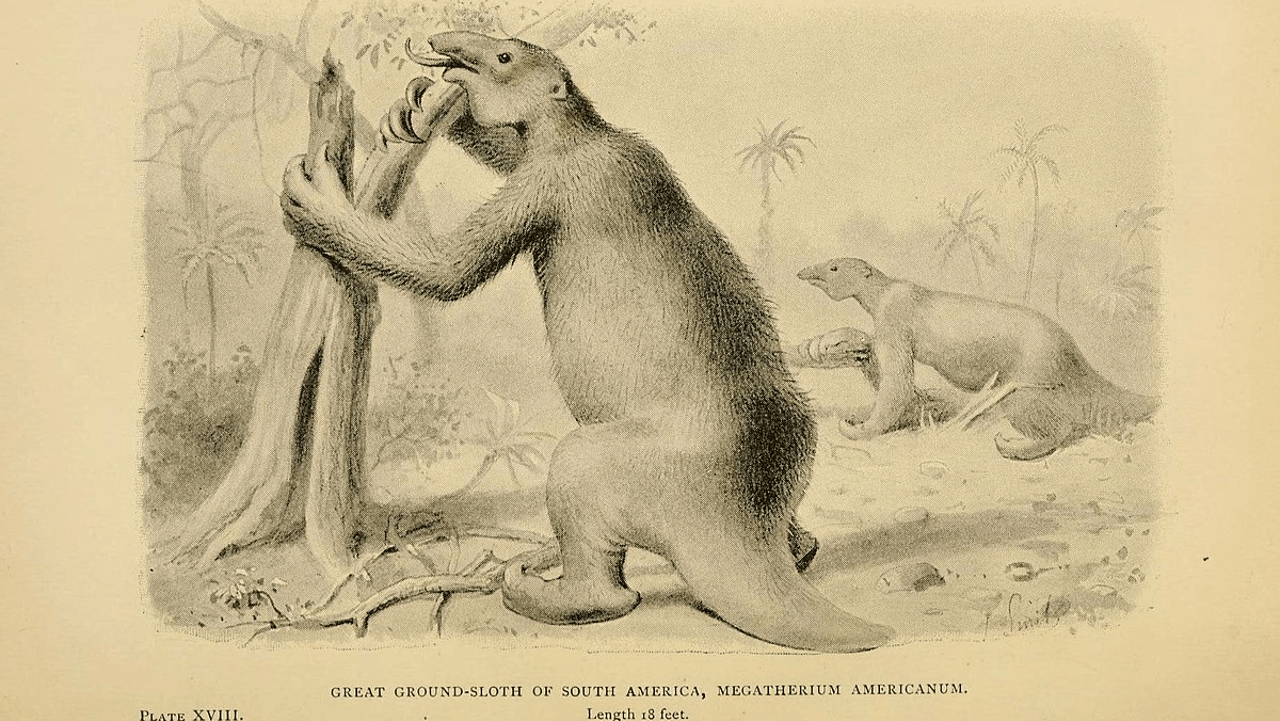
Today, humans populate nearly every region in the world. Unfortunately, we have developed our societies so aggressively that it has come at the expense of the environment, as well as the other living beings we exist alongside – whether they are plants, animals or even other humans.
Over the course of our own progress, we have sacrificed their lives and living spaces, and pushed many of them to extinction. So how exactly has our societal development affected the planet – and everything else that lives on it?
Over the course of our own progress, we have sacrificed their lives and living spaces, and pushed many of them to extinction. So how exactly has our societal development affected the planet – and everything else that lives on it?
Humans have been affecting ecosystems since the dawn of time. Our first forays into nature were for food – but even our hunting and gathering had an impact on our neighbours.
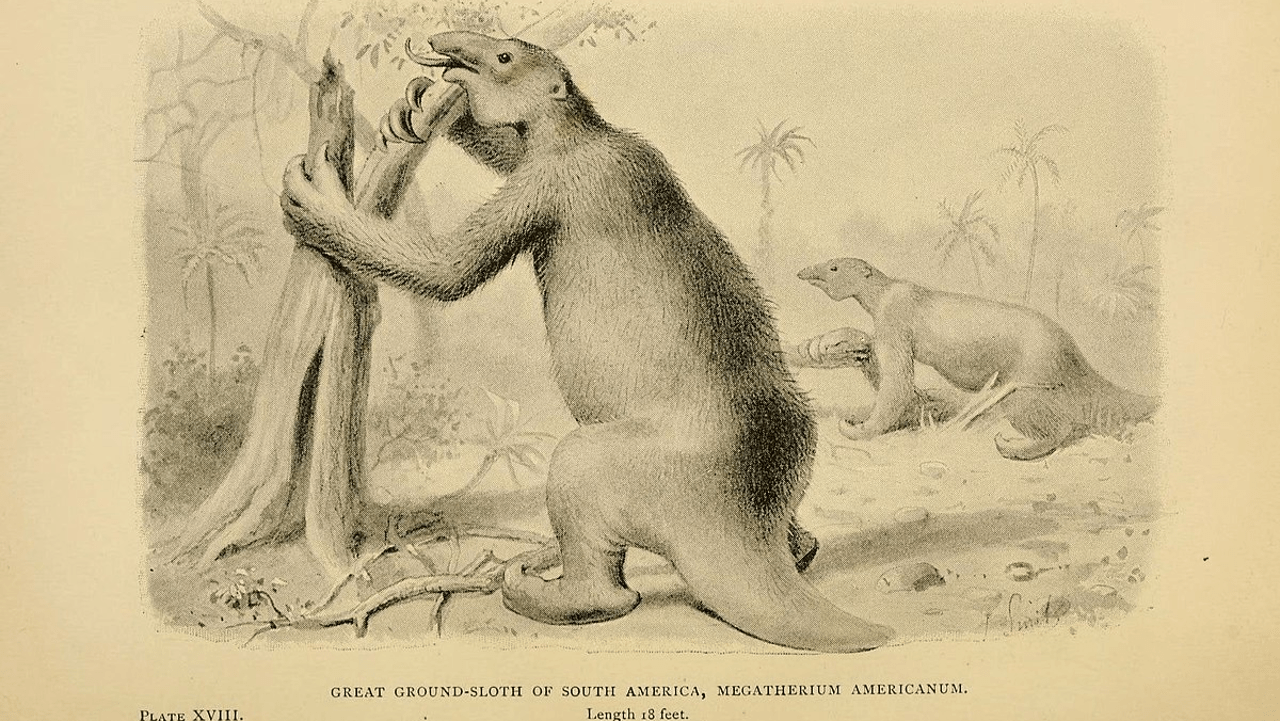
Several species met their untimely ends because of our spears, including this giant ground sloth. We hunted it to extinction first in North America, then South America, and then the West Indian islands, where they finally disappeared 4,400 years ago.
Image: Wikimedia Commons
Several species met their untimely ends because of our spears, including this giant ground sloth. We hunted it to extinction first in North America, then South America, and then the West Indian islands, where they finally disappeared 4,400 years ago.
Image: Wikimedia Commons

As society progressed, we developed trade – one more thing that would lead to the untimely ends of other species.
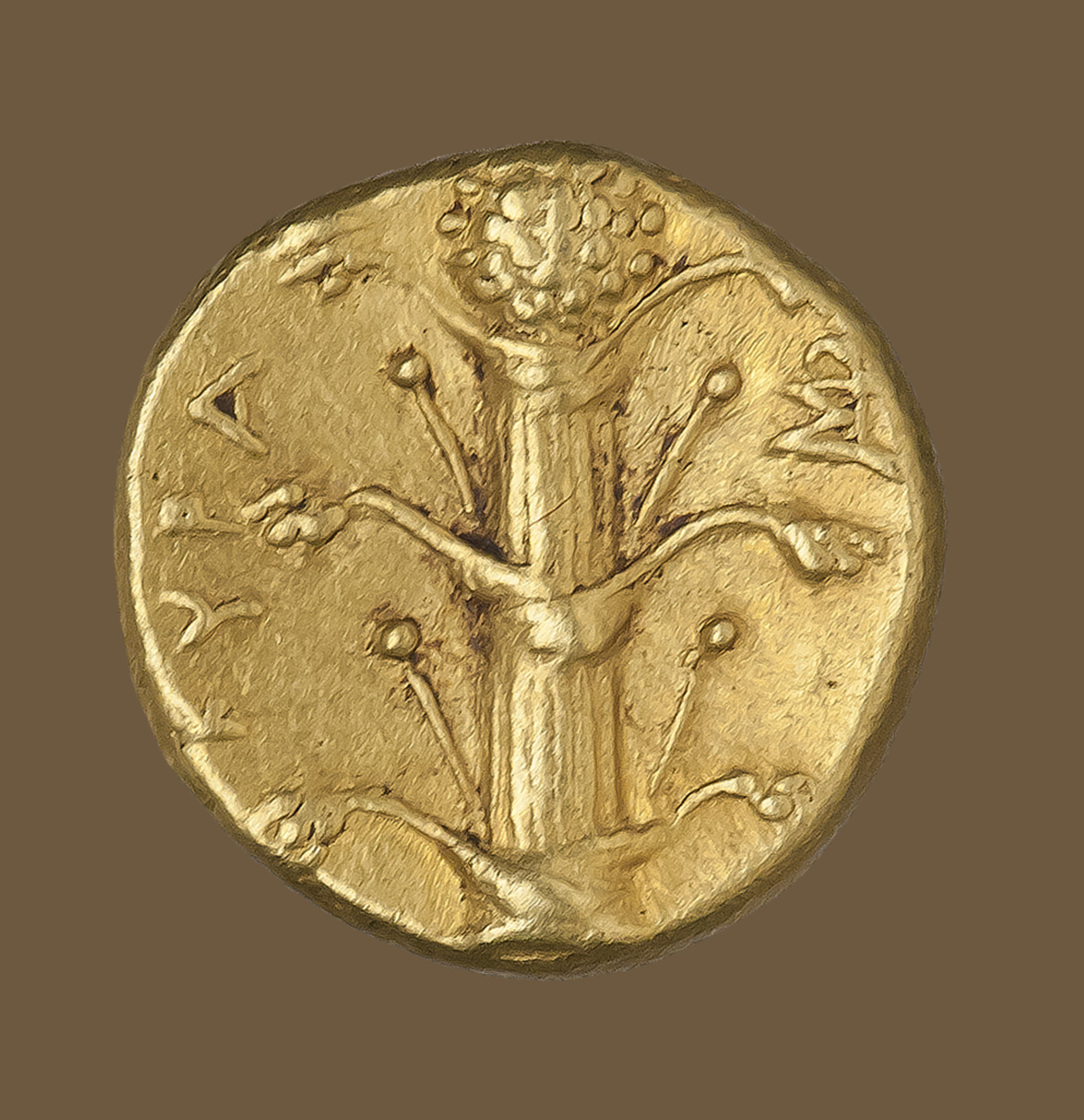
One plant that met its fate this way was the silphium plant. It was an effective birth control, which made selling it a lucrative trade for the ancient Greeks who found it. It was so popular that it even made it onto this ancient Cyrenaican coin.
It was harvested in such large quantities that it vanished for good around 50 C.E.
Image: Wikimedia CommonsOne plant that met its fate this way was the silphium plant. It was an effective birth control, which made selling it a lucrative trade for the ancient Greeks who found it. It was so popular that it even made it onto this ancient Cyrenaican coin.
It was harvested in such large quantities that it vanished for good around 50 C.E.
As societies developed, entertainment became essential.
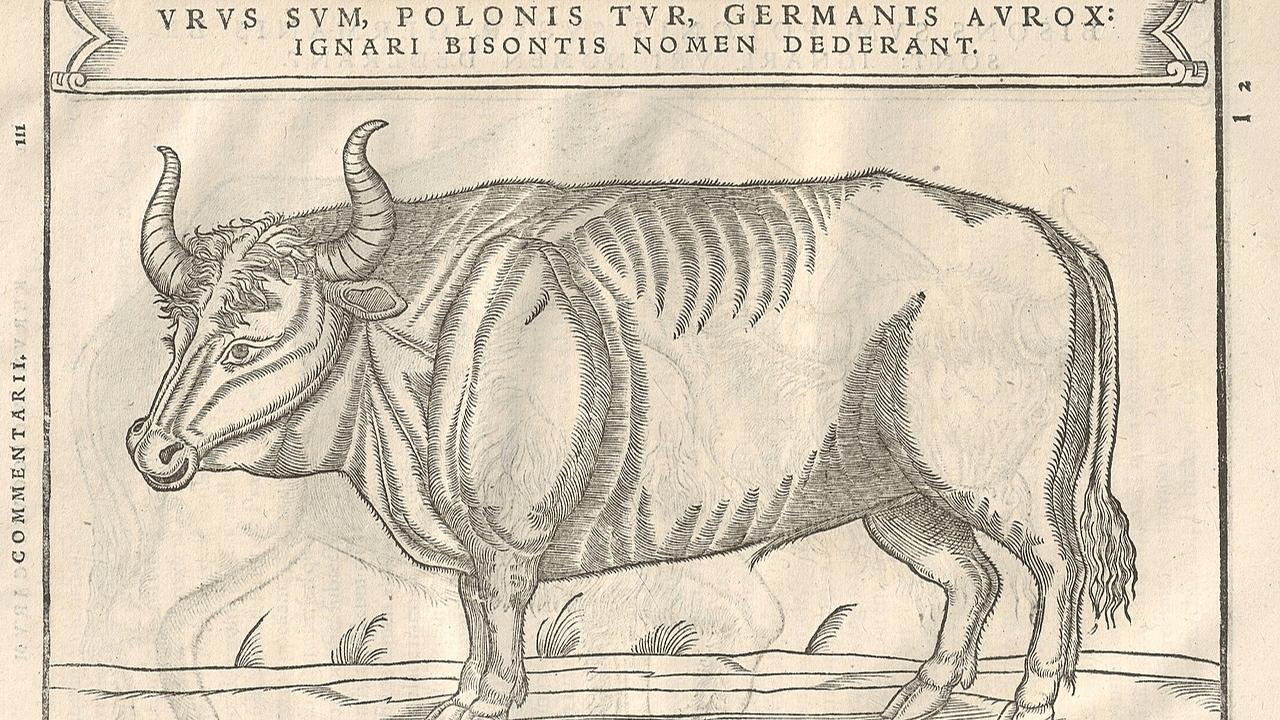
During the time of the ancient Romans, many animals were caught and forced to fight to the death in arenas for the entertainment of the masses. These included the aurochs, a distant relative of the bison.
This, along with the fact that they were hunted for meat, meant that the aurochs were extinct by 1627.
Image: Wikimedia CommonsDuring the time of the ancient Romans, many animals were caught and forced to fight to the death in arenas for the entertainment of the masses. These included the aurochs, a distant relative of the bison.
This, along with the fact that they were hunted for meat, meant that the aurochs were extinct by 1627.
Once their own societies were sufficiently established, some of our ancestors moved on to colonise new lands. They brought with them pests and practices that would bring about the downfall of even more living creatures.
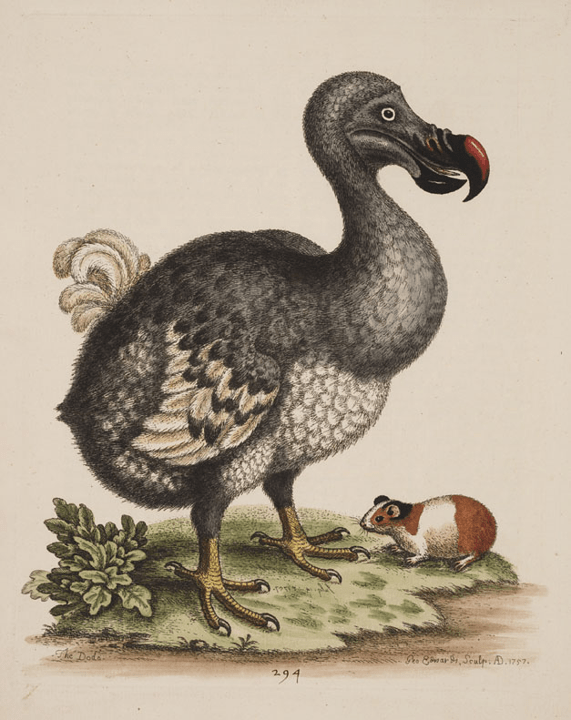
One creature to suffer at the hands of colonisers was the unfortunate dodo.
Before Dutch colonisers came to the island of Mauritius, the dodos had few natural predators on the island. The Dutch, however, put an end to that safety. The rats and other pests aboard their ships ate dodo eggs, and the humans hunted the adult birds.
They disappeared forever around 1662.
Image: Wikimedia CommonsBefore Dutch colonisers came to the island of Mauritius, the dodos had few natural predators on the island. The Dutch, however, put an end to that safety. The rats and other pests aboard their ships ate dodo eggs, and the humans hunted the adult birds.
They disappeared forever around 1662.
Humans’ colonial endeavours took them across the oceans. As a result, even sea animals fell victim to their destructive tendencies.
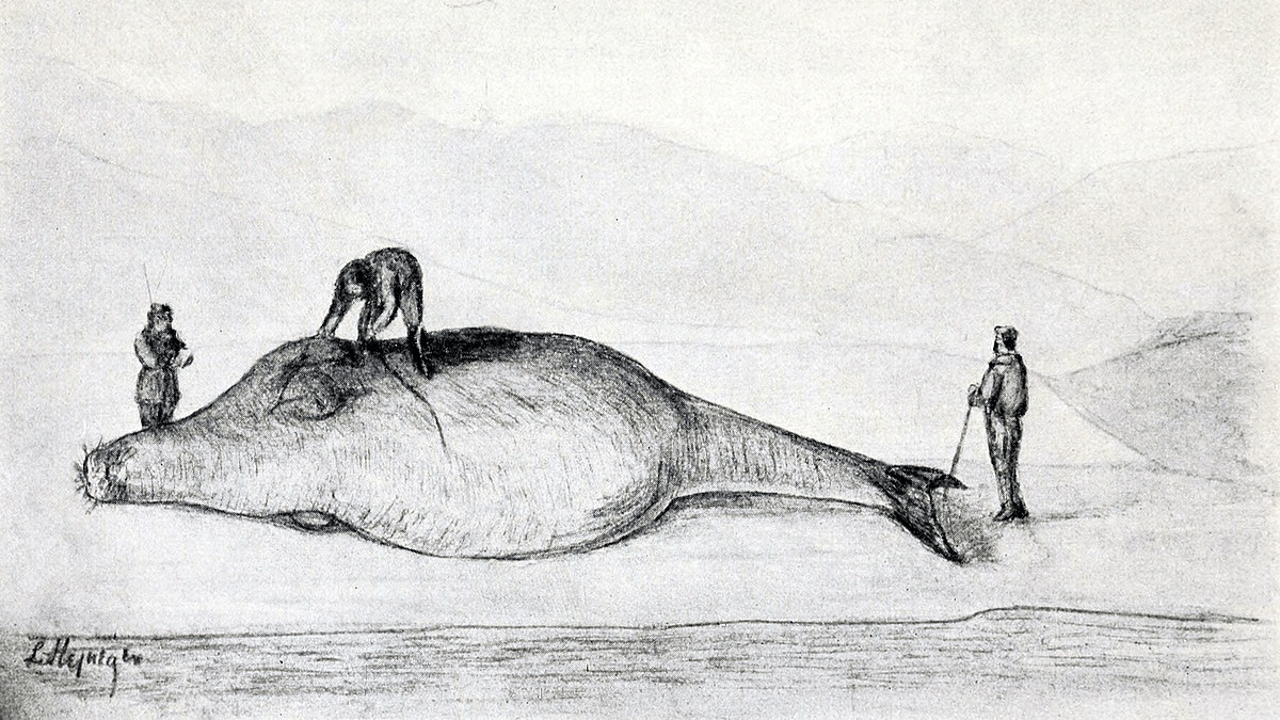
The Steller’s sea cow was one such animal. It was discovered by Georg Steller – pictured here measuring a dead sea cow – on an expedition to chart the waters between Siberia and North America. They survived for only 27 more years after they were found.
The abrupt disappearance of the sea cows finally persuaded scientists that extinction was possible…
Image: Wikimedia CommonsThe Steller’s sea cow was one such animal. It was discovered by Georg Steller – pictured here measuring a dead sea cow – on an expedition to chart the waters between Siberia and North America. They survived for only 27 more years after they were found.
The abrupt disappearance of the sea cows finally persuaded scientists that extinction was possible…
…but despite this horrifying new knowledge, our destructive activities continued.
When the Industrial Revolution arrived, production kicked into high gear. Companies tore up natural landscapes to get the metals and minerals they needed.
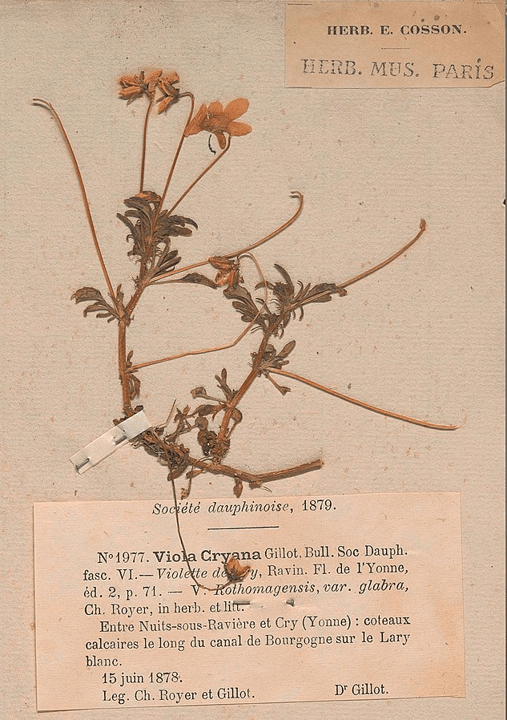
Consequently, many plant species suffered as their natural habitats were destroyed. These included the cry violet depicted here, which went extinct in 1927 after people over-mined the limestone quarries where it grew.
Image: Wikimedia CommonsConsequently, many plant species suffered as their natural habitats were destroyed. These included the cry violet depicted here, which went extinct in 1927 after people over-mined the limestone quarries where it grew.
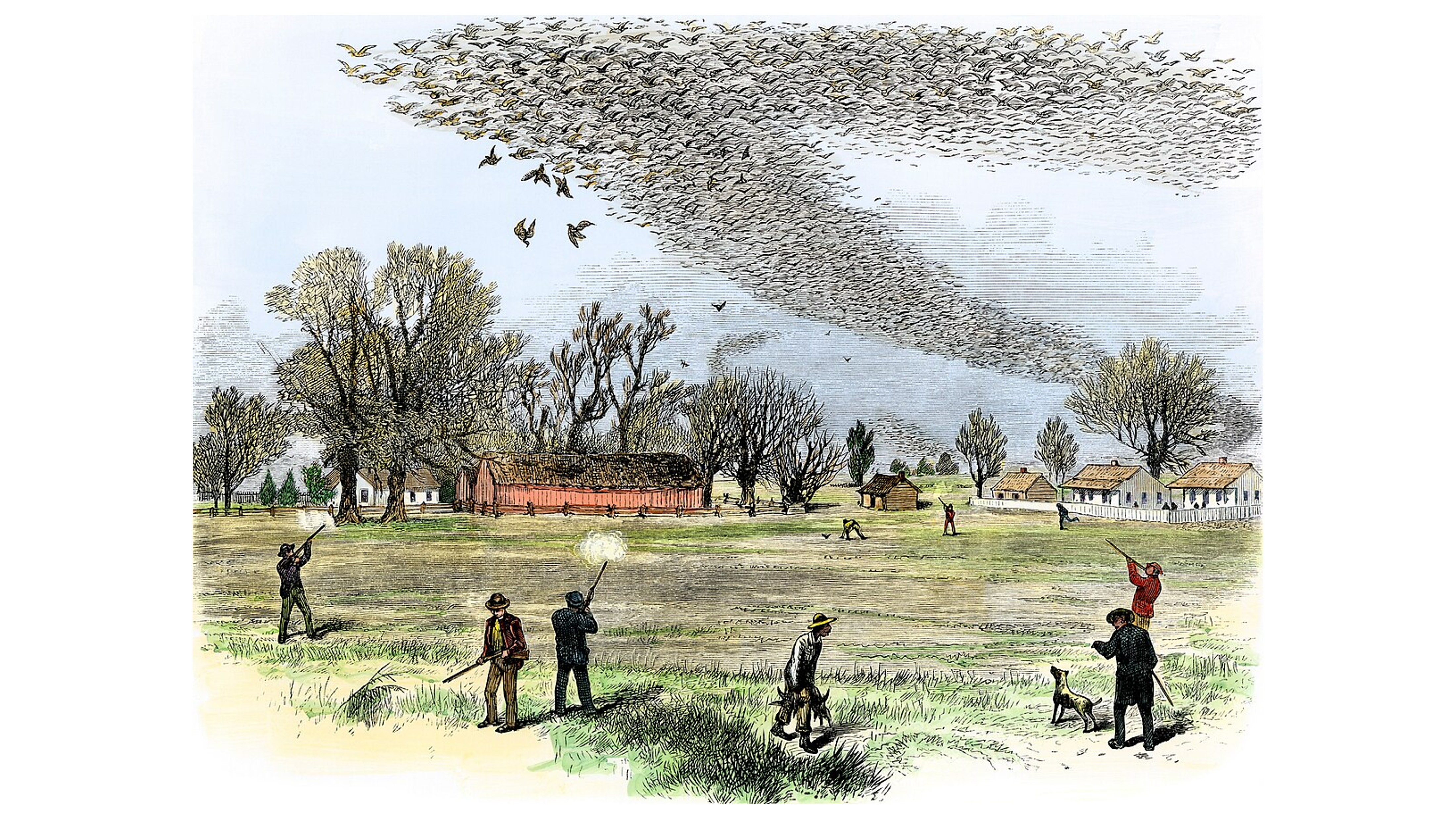
The demand for lumber for construction also caused the downfall of the passenger pigeon. The forests they lived in were cut down to produce the wood required. Forests were also chopped down to make way for farmland.
This deforestation, along with the fact that they were hunted for meat, meant their numbers rapidly decreased. The last passenger pigeon – which was named Martha – died in the Cincinnati Zoo in 1914.
Image: Wikimedia CommonsThis deforestation, along with the fact that they were hunted for meat, meant their numbers rapidly decreased. The last passenger pigeon – which was named Martha – died in the Cincinnati Zoo in 1914.
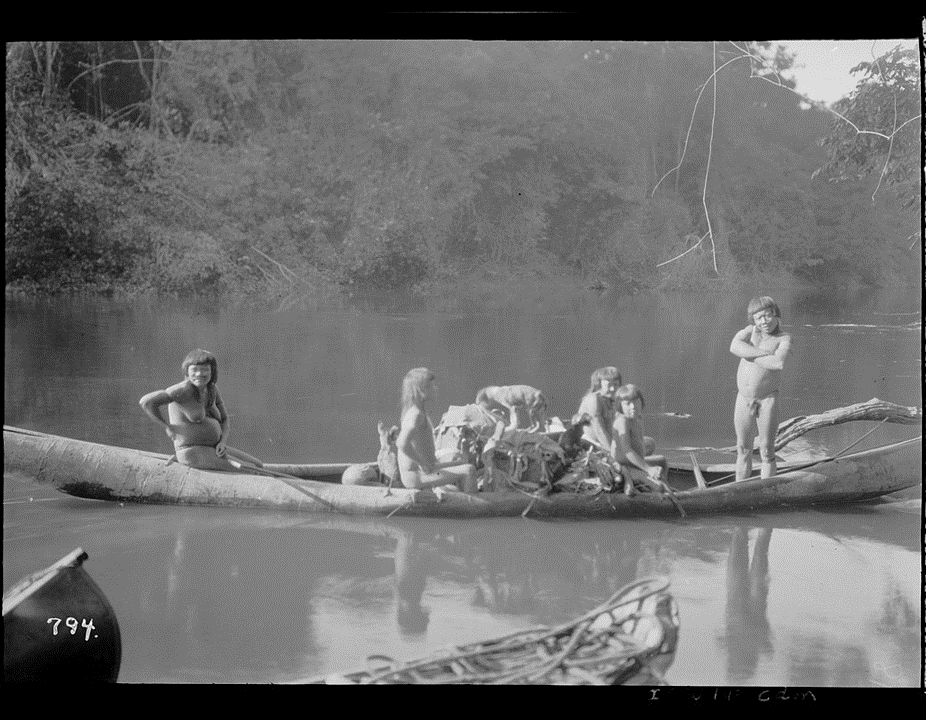
Our relentless development even began to affect other humans.
Logging and deforestation in the Amazon rainforest, for example, have destroyed more than 4,700 hectares of the land belonging to the Karipuna people.
Today, only 61 members of their tribe are left.
Image: Wikimedia CommonsLogging and deforestation in the Amazon rainforest, for example, have destroyed more than 4,700 hectares of the land belonging to the Karipuna people.
Today, only 61 members of their tribe are left.
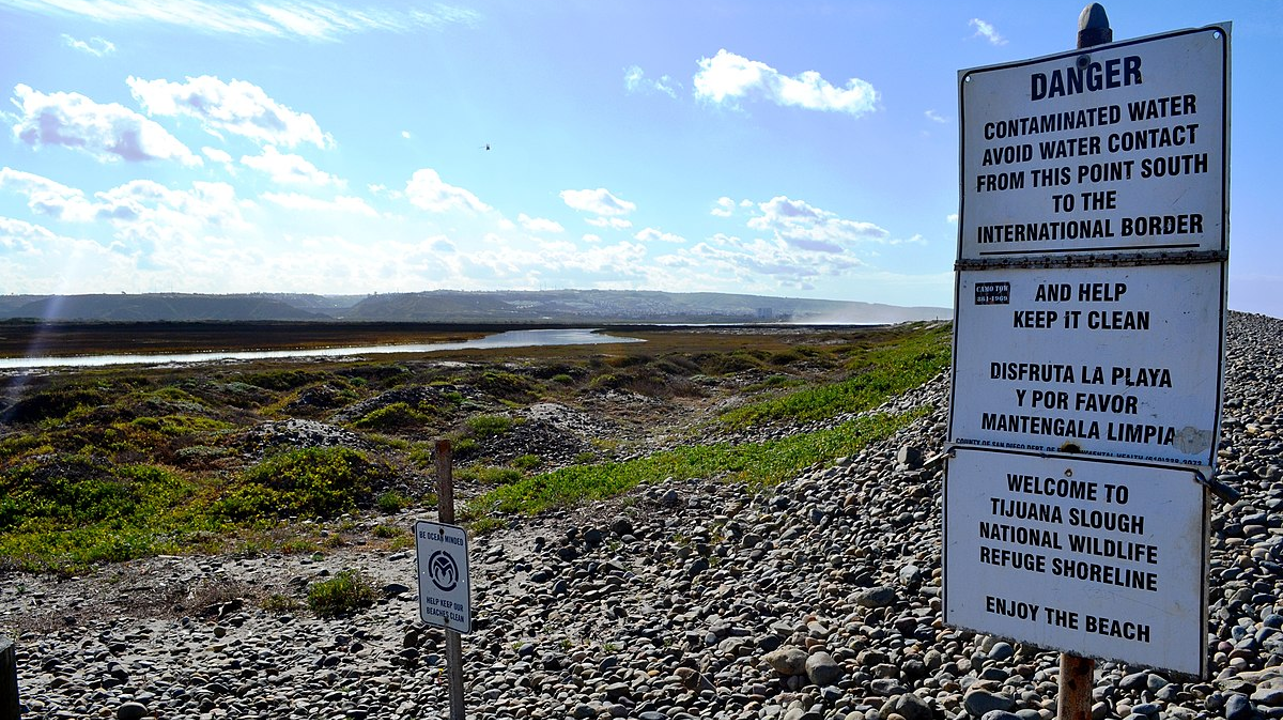
Today, the industrial activities of big brands like General Motors and Sony have greatly affected the lives of people in Mexico. Their factories pour up to 38 million litres of waste into the Tijuana River daily.
Image: Wikimedia CommonsBacteria that causes severe illnesses, like salmonella, have been found in the affected water and soil. The air pollution also poses a severe threat to communities living in the area.
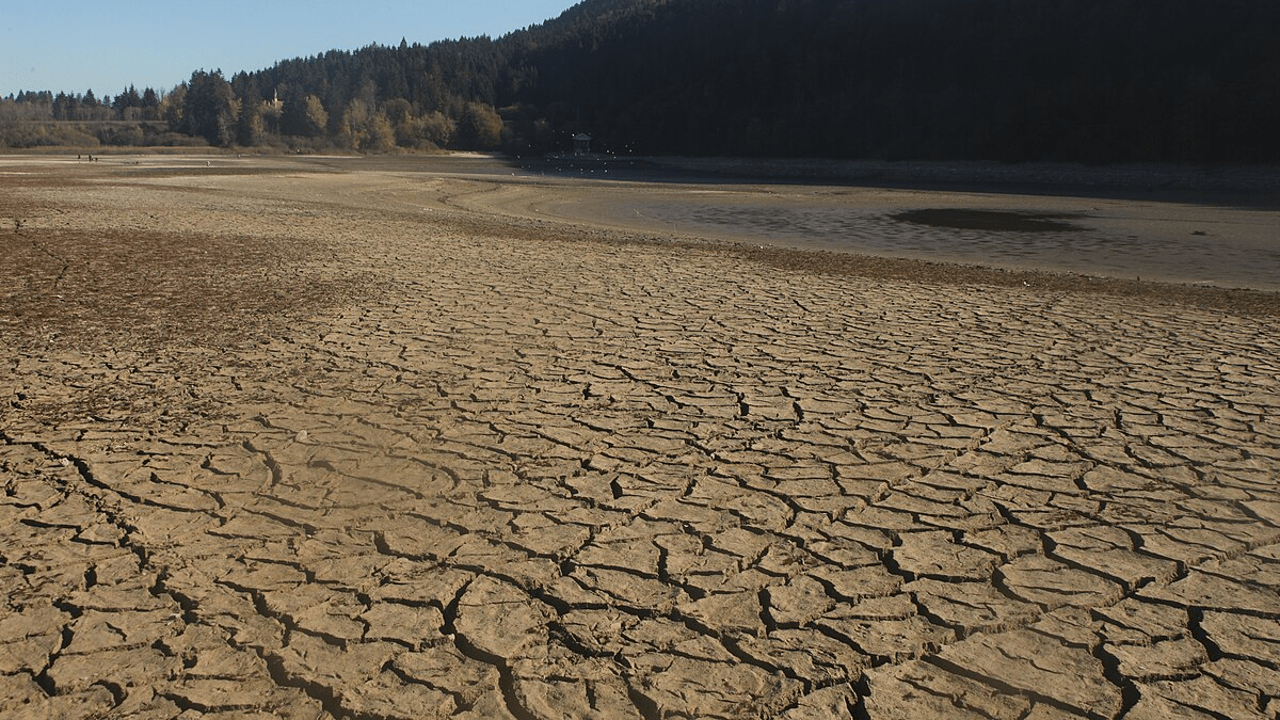
All of this industry has led to the most dangerous consequence of all: global warming. With rising temperatures, scorching summers and prolonged droughts, heat-related deaths are becoming increasingly common.
This all signals that continuing at our current pace could mean the decimation of our own populations… and even the Earth itself.
Image: Wikimedia CommonsThis all signals that continuing at our current pace could mean the decimation of our own populations… and even the Earth itself.
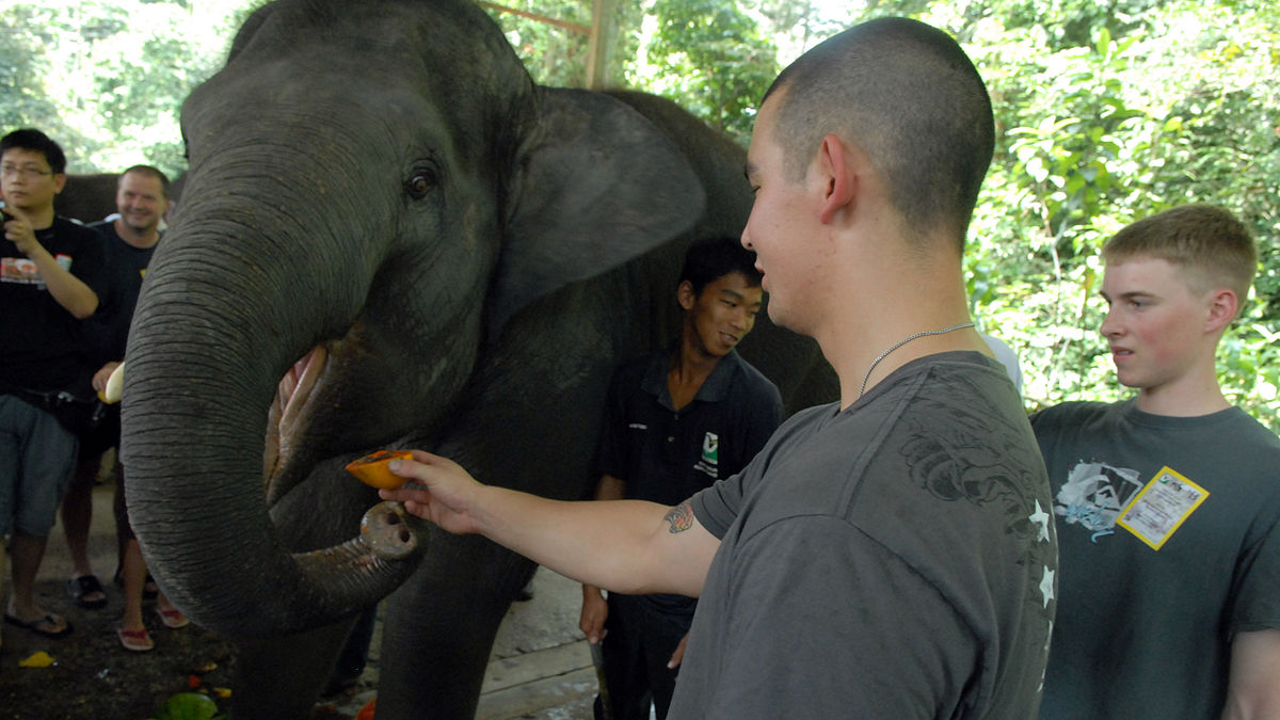
Thankfully, however, all is not lost. We now understand the destruction that we have caused, and are already taking steps to correct our mistakes.
By passing climate laws, marking out protected conservation areas and carrying out rehabilitation programmes for endangered species, we are trying to do better – and attempting to undo the damage we have done.
Image: Wikimedia CommonsBy passing climate laws, marking out protected conservation areas and carrying out rehabilitation programmes for endangered species, we are trying to do better – and attempting to undo the damage we have done.
We may never be able to restore the Earth to what it once was. But our continuing efforts – as well as these constant reminders that we can no longer be complacent about the state of our environment – can help to ensure that we, our planet, and the living creatures that we share it with can live on for years to come.