From Farms to Factories: Production Through The Ages
Brought to you by Represent
Image: The Cove Collective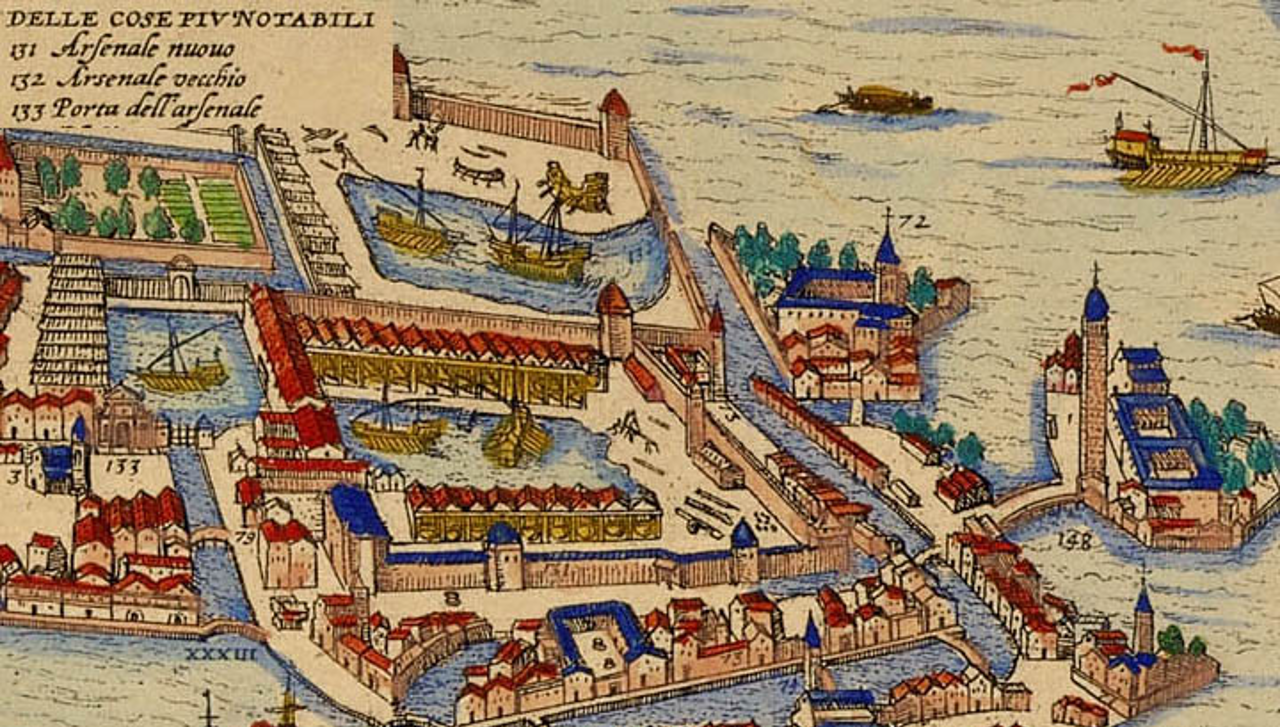
Cars, toys, even food… Nowadays, almost everything we could possibly need is made by machines in a factory.
But producing things did not always look like this. For centuries, us humans have needed to do the work ourselves – whether it is sewing, carving or putting things together.
So what did production use to look like?
But producing things did not always look like this. For centuries, us humans have needed to do the work ourselves – whether it is sewing, carving or putting things together.
So what did production use to look like?
Humans have been making things to suit our own needs for as long as we have existed.
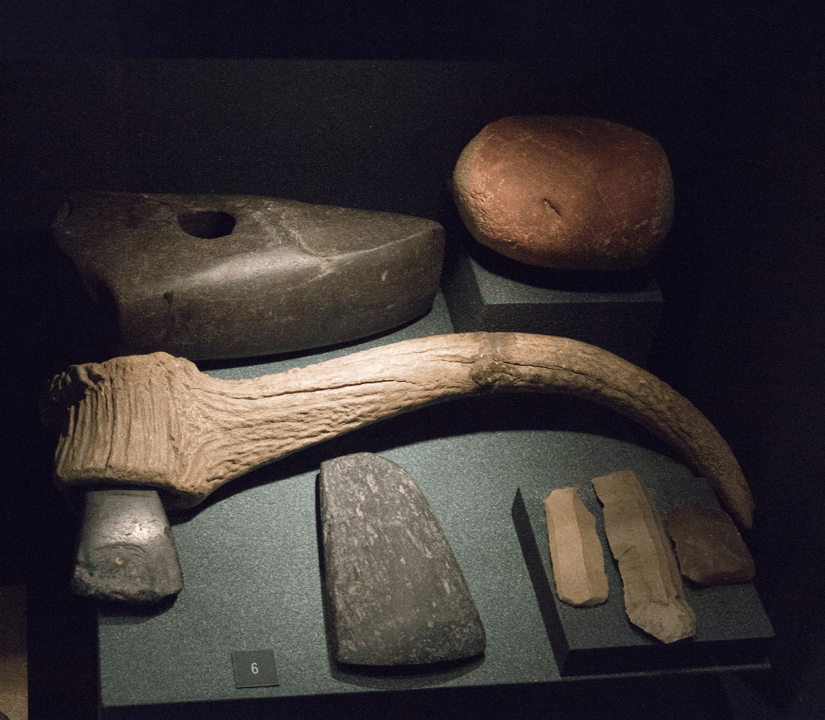
These stone-age tools – such as this hammer-axe and hammerstone – are proof of that. Their owner likely used them to create sharp stone flakes or early blades, which were used for hunting or cutting meat.
Image: Wikimedia CommonsThese stone-age tools – such as this hammer-axe and hammerstone – are proof of that. Their owner likely used them to create sharp stone flakes or early blades, which were used for hunting or cutting meat.
Later, humans learned to produce food for ourselves. We created the first farms, with some of the first crops to be planted and harvested being barley and wheat.
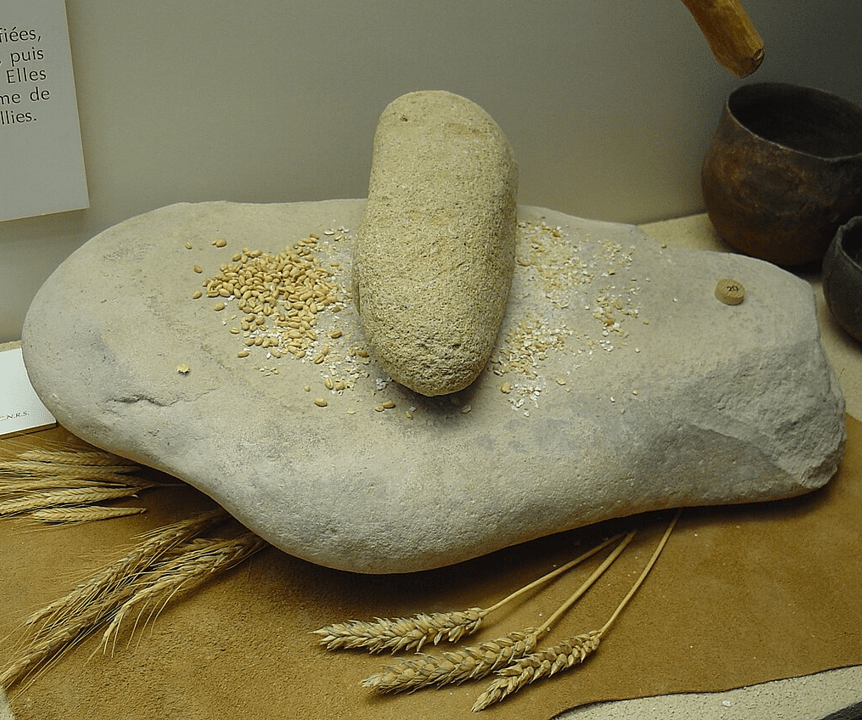
Mortars and pestles were used to grind the grains from these crops into flour, with which bread was made.
Image: Wikimedia CommonsMortars and pestles were used to grind the grains from these crops into flour, with which bread was made.
During this time, people usually made things by themselves, for themselves.
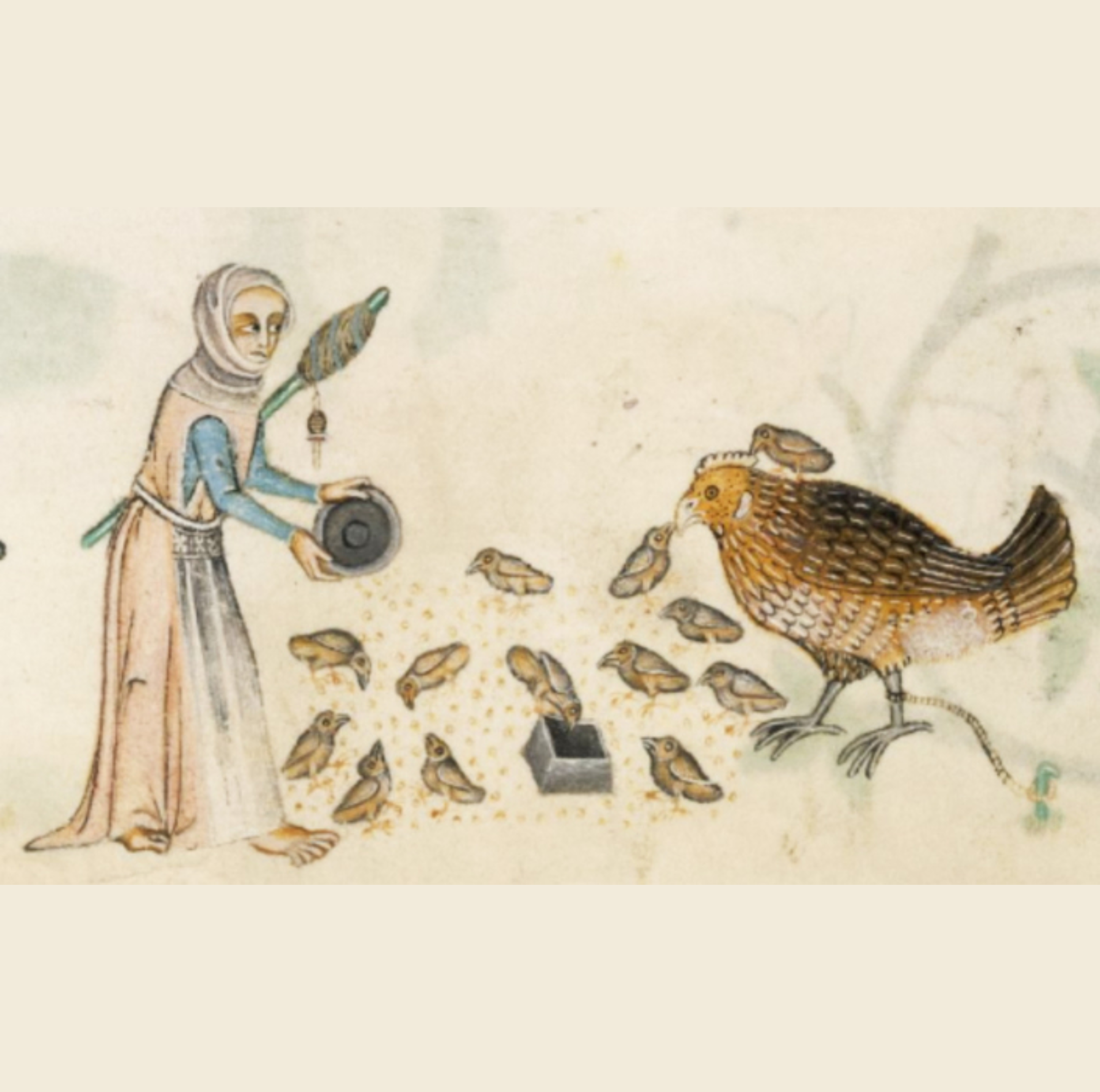
From the 5th century onwards, for example, women spun thread for their own households, using individual spindles and distaffs.
This was slow and tiring work. To make enough thread for clothes, they had to spin constantly. This image from the 12th-century manuscript Luttrell Psalter shows a woman spinning even while feeding her chickens.
Image: Wikimedia CommonsFrom the 5th century onwards, for example, women spun thread for their own households, using individual spindles and distaffs.
This was slow and tiring work. To make enough thread for clothes, they had to spin constantly. This image from the 12th-century manuscript Luttrell Psalter shows a woman spinning even while feeding her chickens.
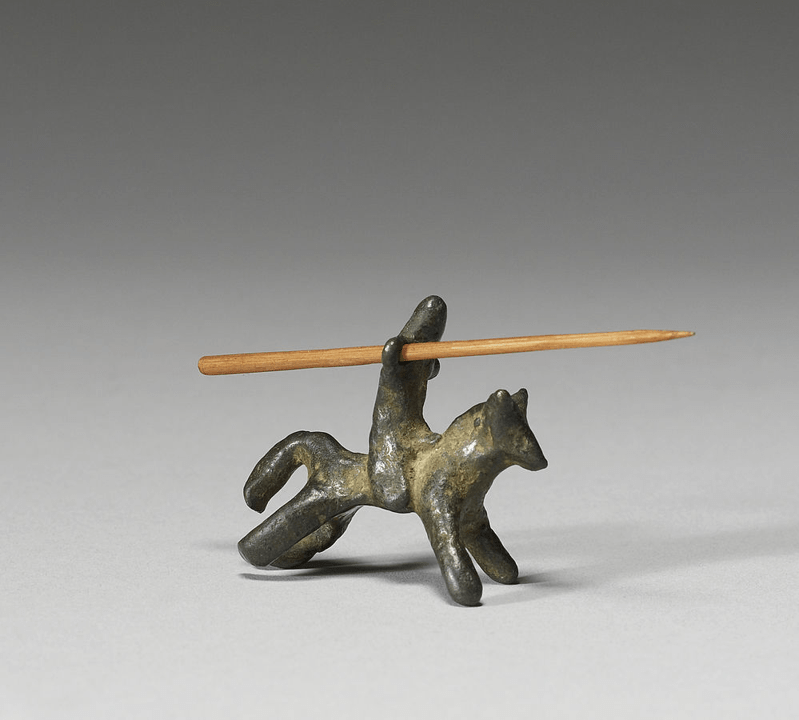
Toys, like this medieval bronze knight figure, were made out of bone, wood or metal and had to be carved or smelted by hand. They would have taken weeks for a craftsman to produce.
But the fact that items were handcrafted did mean that every product was unique.
Image: Wikimedia CommonsBut the fact that items were handcrafted did mean that every product was unique.
As societies developed, however, we soon realised that collective effort made producing things more efficient.
Organisations thus sprang up to speed up production.
Organisations thus sprang up to speed up production.
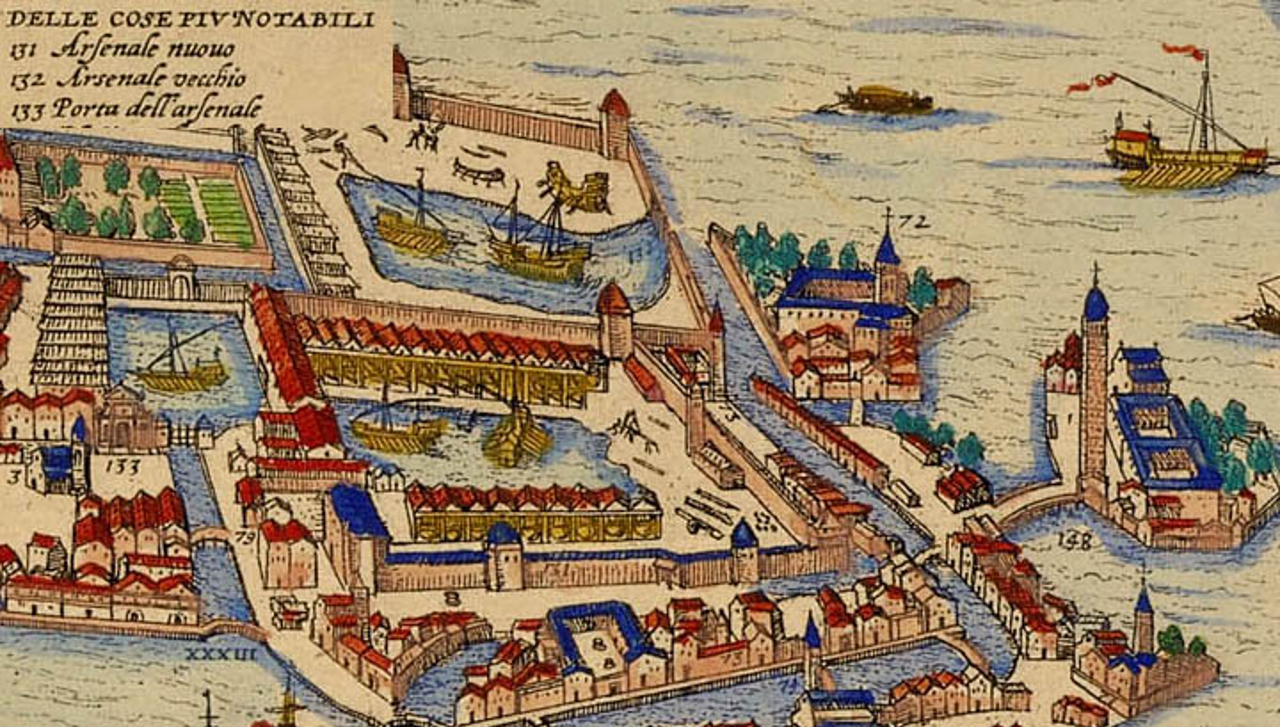
The Arsenal of Venice was one such operation. Built in 1104, it was made to assemble ships and was one of the first instances of assembly-line production. Over 16,000 employees were hired, and each employee was assigned a specific part of the ship to make.
This method produced 100 ships over the period of just 2 months for the Ottoman-Venetian War.
Image: The Cove CollectiveThis method produced 100 ships over the period of just 2 months for the Ottoman-Venetian War.
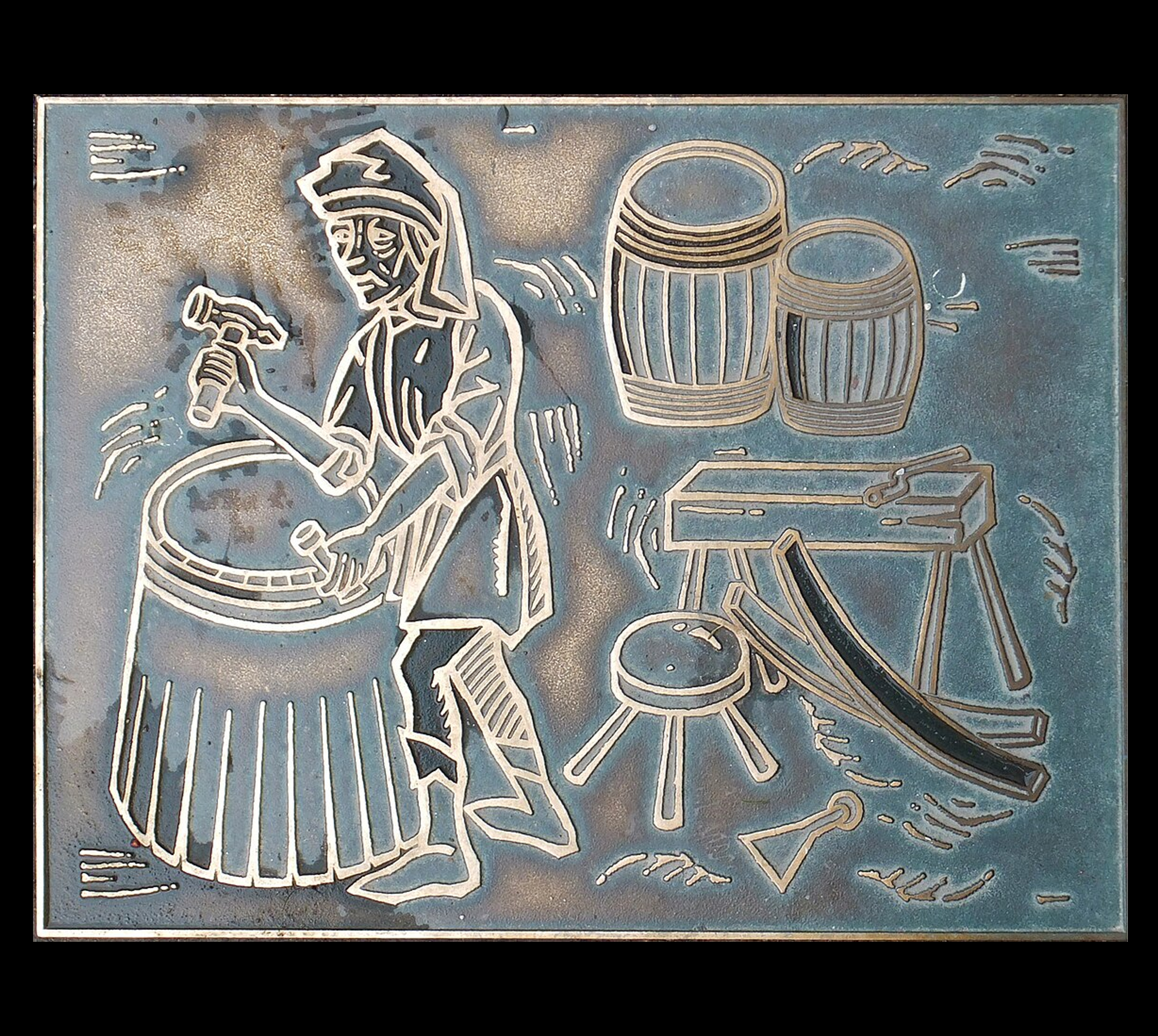
Craftsmen and artisans also found safety in numbers. Craft guilds became popular as they provided protection and financial support.
Most importantly, they offered training in crafts such as baking and metalworking. This ensured that methods of creation and production lived on.
Image: Wikimedia CommonsMost importantly, they offered training in crafts such as baking and metalworking. This ensured that methods of creation and production lived on.
As technology progressed, we created new methods of production that meant we could do less of the work.
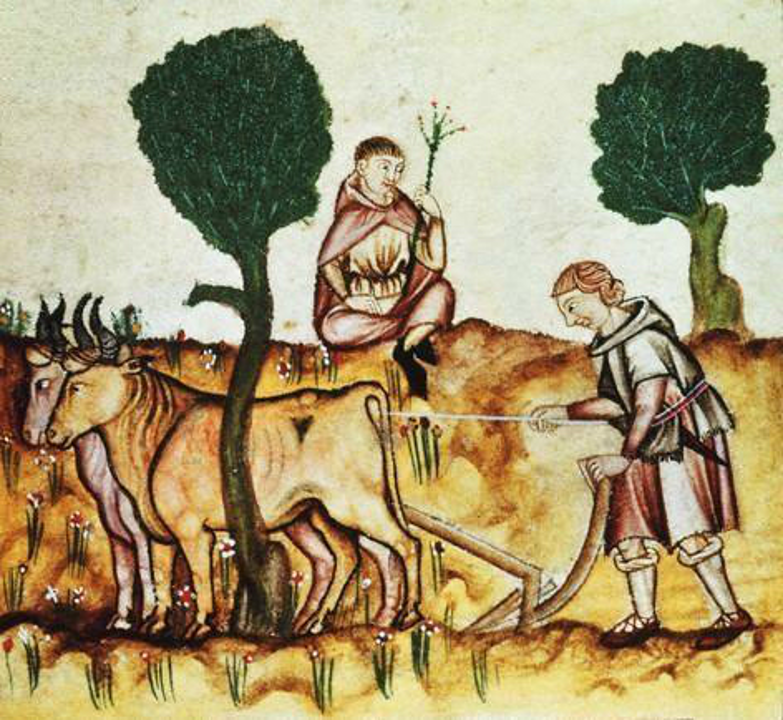
By the 1300s, the use of the heavy mouldboard plough had become widespread. Instead of manually turning the soil to plant their crops, people could now attach the plough to horses or oxen, who did the work for them.
Image: Wikimedia CommonsBy the 1300s, the use of the heavy mouldboard plough had become widespread. Instead of manually turning the soil to plant their crops, people could now attach the plough to horses or oxen, who did the work for them.
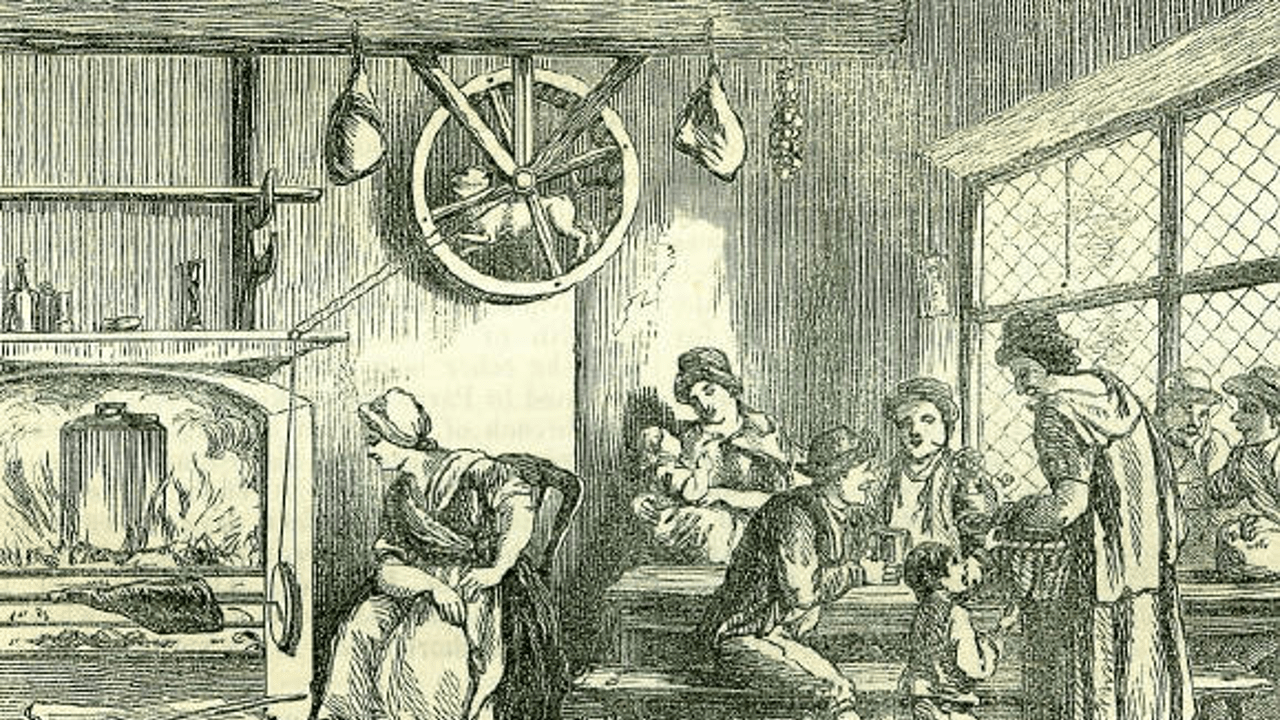
Animals even did the work for us in the kitchen. In the 16th and 17th centuries, roast meat was placed on a spit above a fire, which was constantly turned so the meat cooked evenly.
Large kitchens often used “turnspit dogs” to produce these cooked meats. The dogs ran in a wheel attached to the spit, turning it as they went. This gave them their other name “vernepator cur”, which is Latin for “the dog that turns the wheel”.
Image: The Cove CollectiveLarge kitchens often used “turnspit dogs” to produce these cooked meats. The dogs ran in a wheel attached to the spit, turning it as they went. This gave them their other name “vernepator cur”, which is Latin for “the dog that turns the wheel”.
In the 18th century, the Industrial Revolution changed production forever.
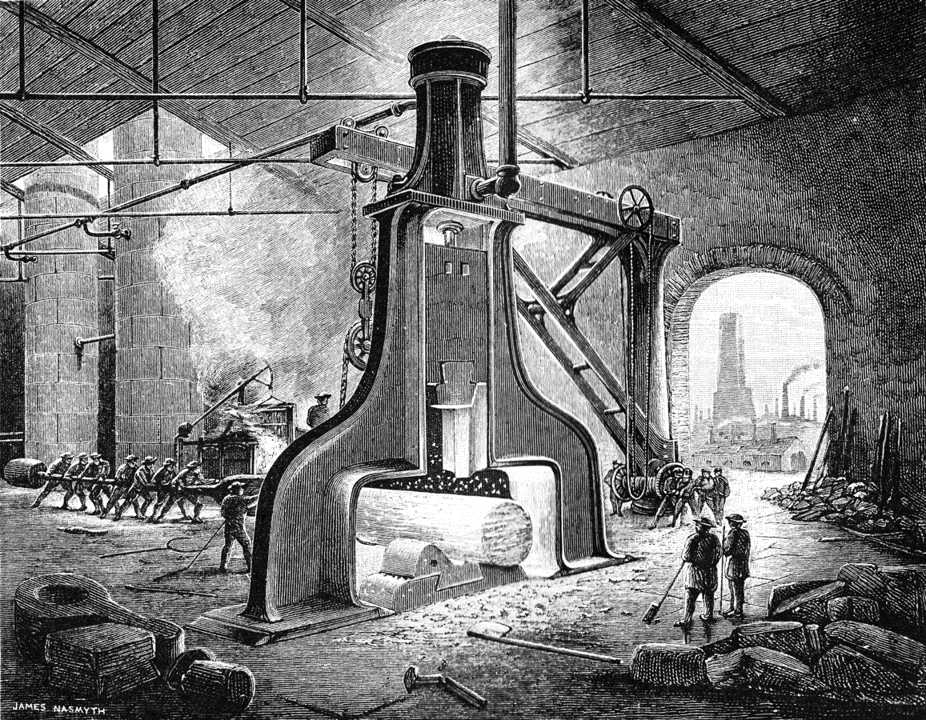
During this period, technology grew by leaps and bounds. More powerful machines were invented every day, making production infinitely easier.
The steam hammer, for instance, was developed in 1839 by the Scotsman James Nasmyth. This towering machine helped to forge and shape huge pieces of metal for industrial use, such as in the building of steamships.
Image: Wikimedia CommonsThe steam hammer, for instance, was developed in 1839 by the Scotsman James Nasmyth. This towering machine helped to forge and shape huge pieces of metal for industrial use, such as in the building of steamships.
These new machines gave rise to factories, where workers operated such devices to churn out products.
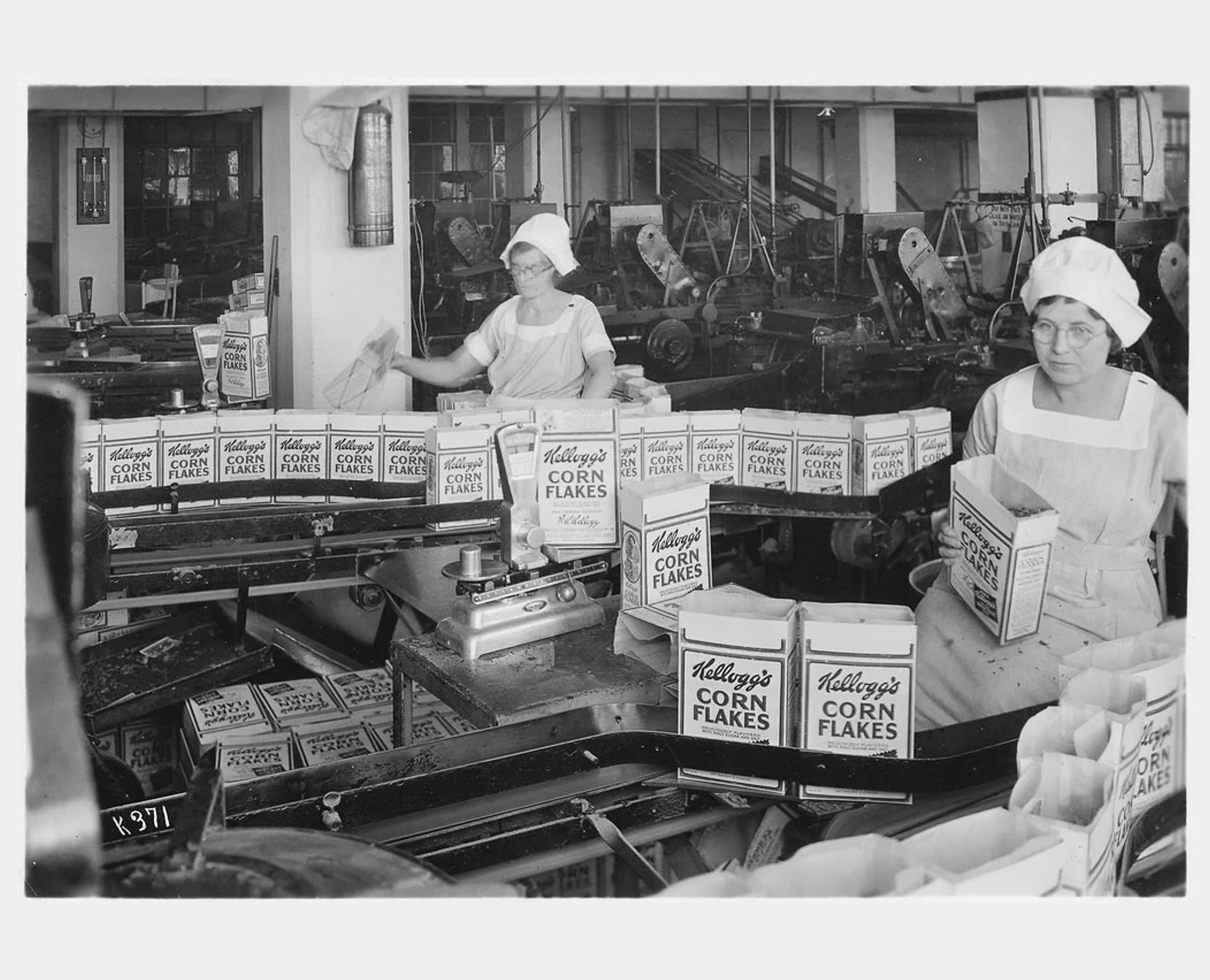
This resulted in mass production, where thousands of identical products could be manufactured cheaply and efficiently.
As a result, mass-produced items, such as these breakfast cereals, became affordable for the masses.
Image: US National ArchivesAs a result, mass-produced items, such as these breakfast cereals, became affordable for the masses.
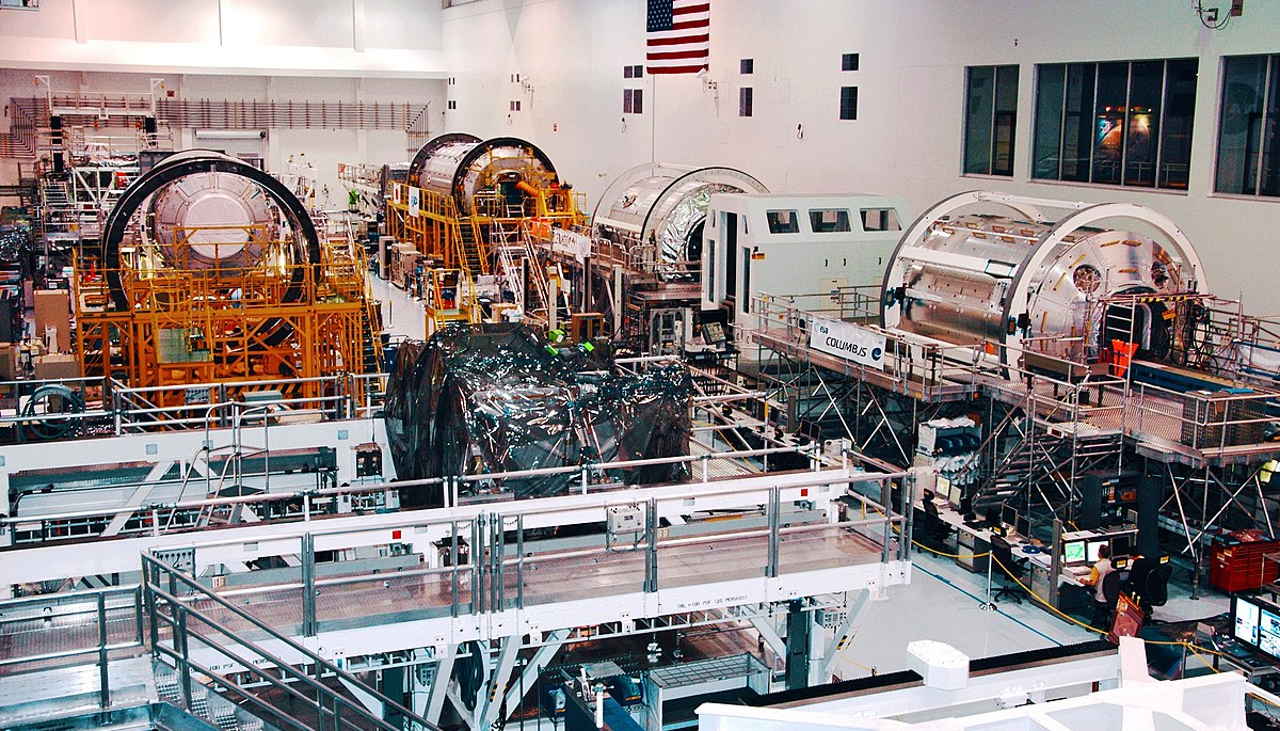
And that’s how production has been ever since.
Factories harness the new technologies of each passing decade to churn out more products, more quickly and cheaply…
Image: Wikimedia CommonsFactories harness the new technologies of each passing decade to churn out more products, more quickly and cheaply…
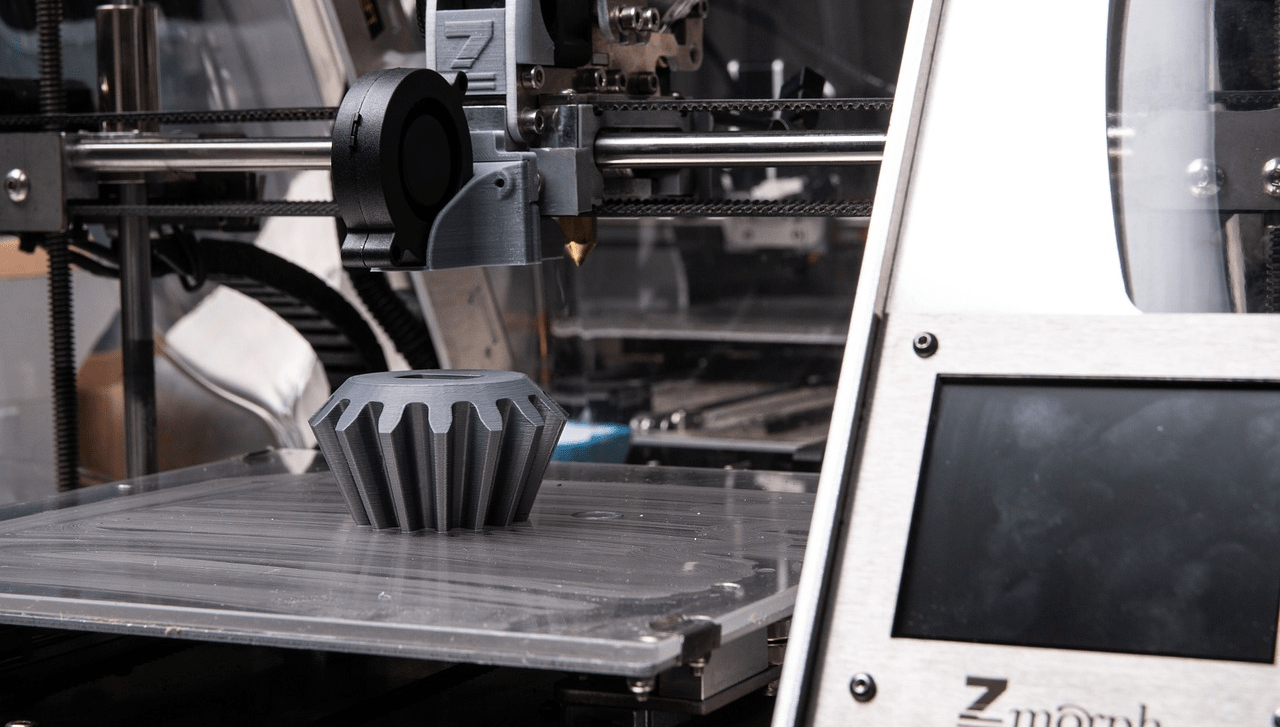
…and today, factories are more high-tech than ever, using robots, nanotechnology and 3D printing to manufacture anything we could ever need or want.
Image: Pixabay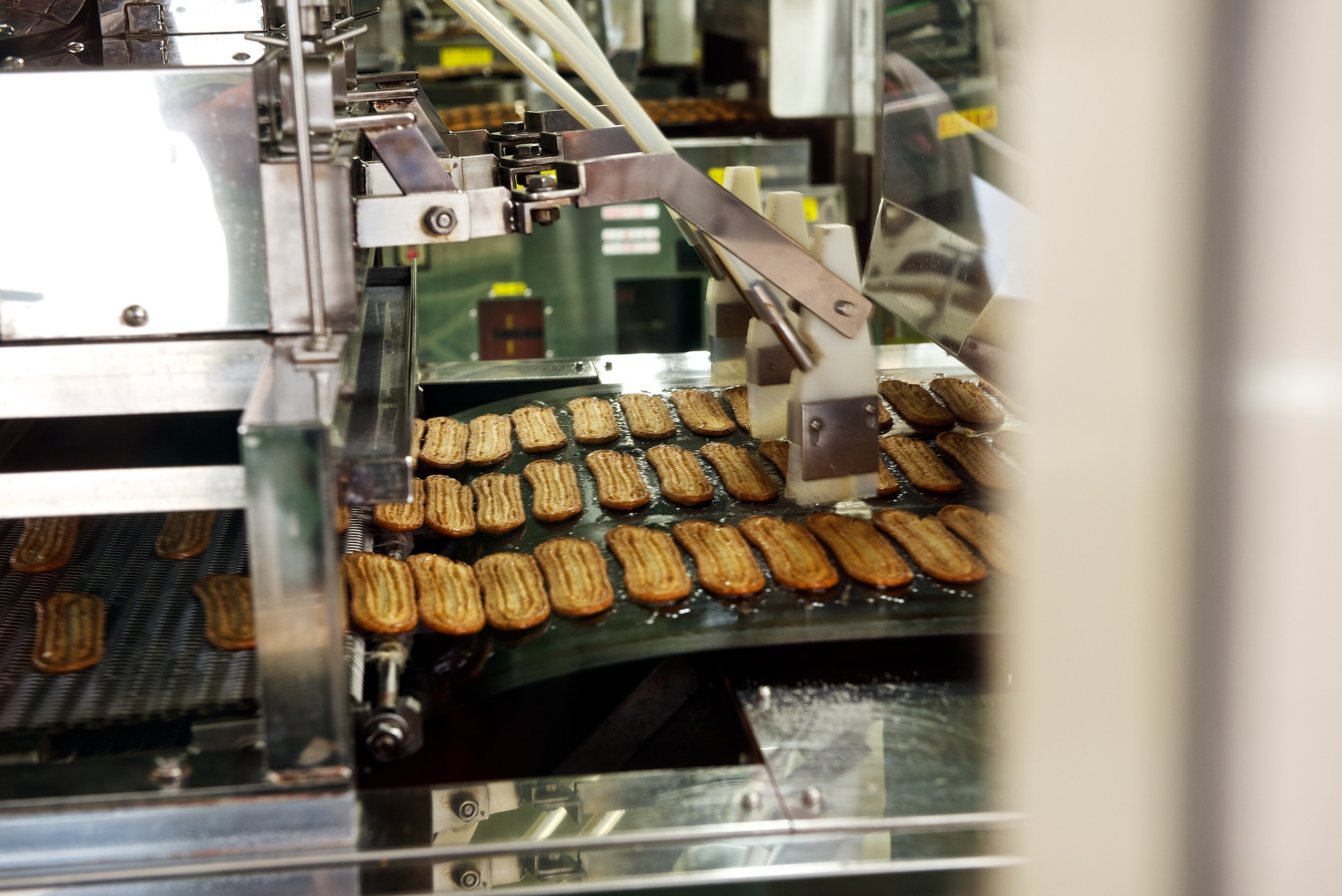
These machines are now synonymous with production – but while they are sleek, modern and efficient, there’s no denying that such technology is far from the painstakingly handcrafted goods of the past.
Image: Wikimedia CommonsWill crafting by hand soon become a thing of the past?