

Free-spirited and unrestrained: these are words commonly associated with the arts. Yet artists do not always get complete freedom when it comes to their work. Often, there are limitations: the budget, the quality of the materials they work with, and even the rules of the companies they are commissioned by.
Taika Waititi knows this all too well. A filmmaker from New Zealand with films like Marvel’s Thor: Ragnarok (2017) and Academy Award-winning Jojo Rabbit (2019) under his belt, he is one of the biggest names in the industry. But Waititi was not always a big director. He started off painting, studying theatre, and acting on the TV series The Strip. “I was really just getting a taste of everything and seeing which thing I wanted to do,” he said in an interview with Wired.
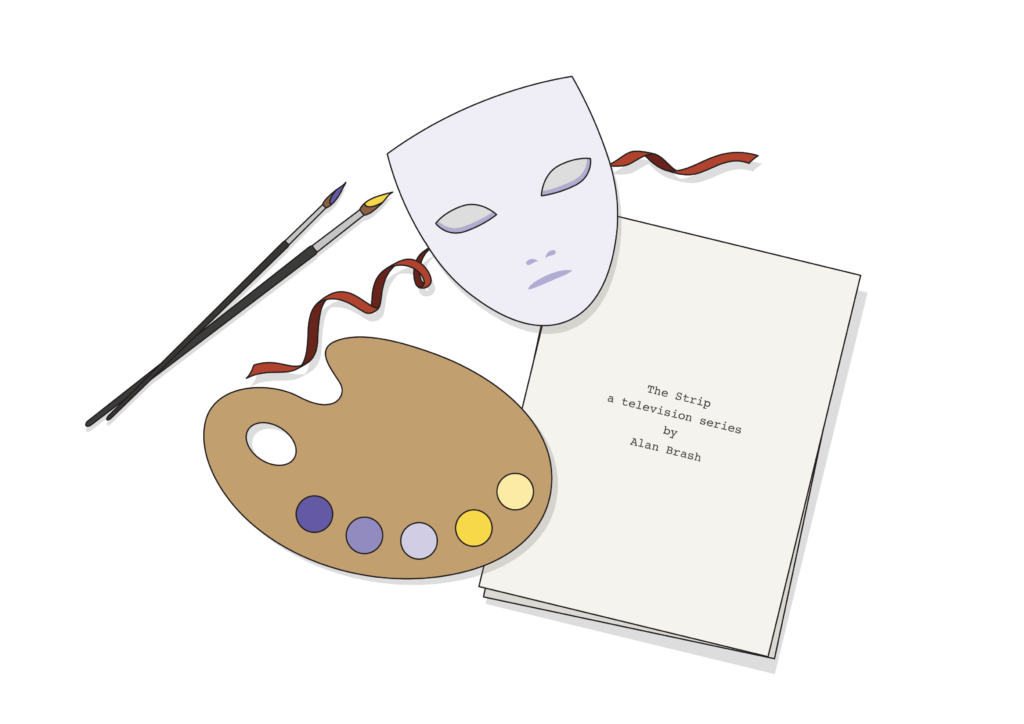
During this time, he also played with creating short films. To his surprise, one of these, Two Cars, One Night (2003), ended up being nominated for an Academy Award. The publicity from the nomination made him an accidental filmmaker. “It was like an arranged marriage. I was forced to fall in love with film. And eventually I did,” he said.
After making the pivot into filmmaking, however, Waititi soon discovered that there were constraints to working in film. To begin with, he was usually given a smaller budget than he required; at other times, he had to work with child actors, who were often unpredictable. The only thing to do was improvise. The low budget for his second film, Hunt of the Wilderpeople (2016), was one constraint that forced Waititi to think outside the box. To reduce the cost, Waititi focused on the acting of his cast instead of using expensive CG; instead of using multiple expensive cameras and camera setups, he relied on the expertise of his crew, who managed to shoot most of the film with a single camera.

Waititi soon became a master of adaptation. He even learnt how to work with the strict requirements of big companies like Marvel, where his ability to make unique directorial decisions was limited. For these films, much of the work was done by the post-production team — and was therefore largely out of his hands. Still, he managed to find a way to put his own spin on the film by encouraging the actors to improvise and add jokes where they wanted. This allowed the actors’ personalities to bleed into their characters and gave the film a distinct comedic flair.
As a filmmaker, Waititi’s job will always come with constraints. However, he does not consider them barriers to creativity. Instead, he sees them as a springboard for innovation. “When you’re on your toes, you come up with great new ideas and inventive solutions to the problems,” he said in an interview with Far Out magazine.
At the end of the day, Taika Waititi has one secret when it comes to creating masterpieces: always have fun, even if there are rules and regulations to stick to. “All I have is my creativity,” he proclaims. He certainly has proven himself to be a master of thinking outside the box. With a long list of film credits to his name, Waititi is living proof that constraints do not mark the end of creativity. Rather, they signal new beginnings.
Sources: Far Out Magazine, In Depth Zine, The Creative Independent, Youtube, Wired