
Off the Beaten Track
People have journeyed to unknown lands and sailed through uncharted waters since the dawn of time. Some went in search of wealth and fame, while others looked for trade routes or new places for their communities to settle.
These first explorers were often driven by curiosity and a desire to learn more about the unknown. Being the first to step foot in unmapped territories gave them personal satisfaction.
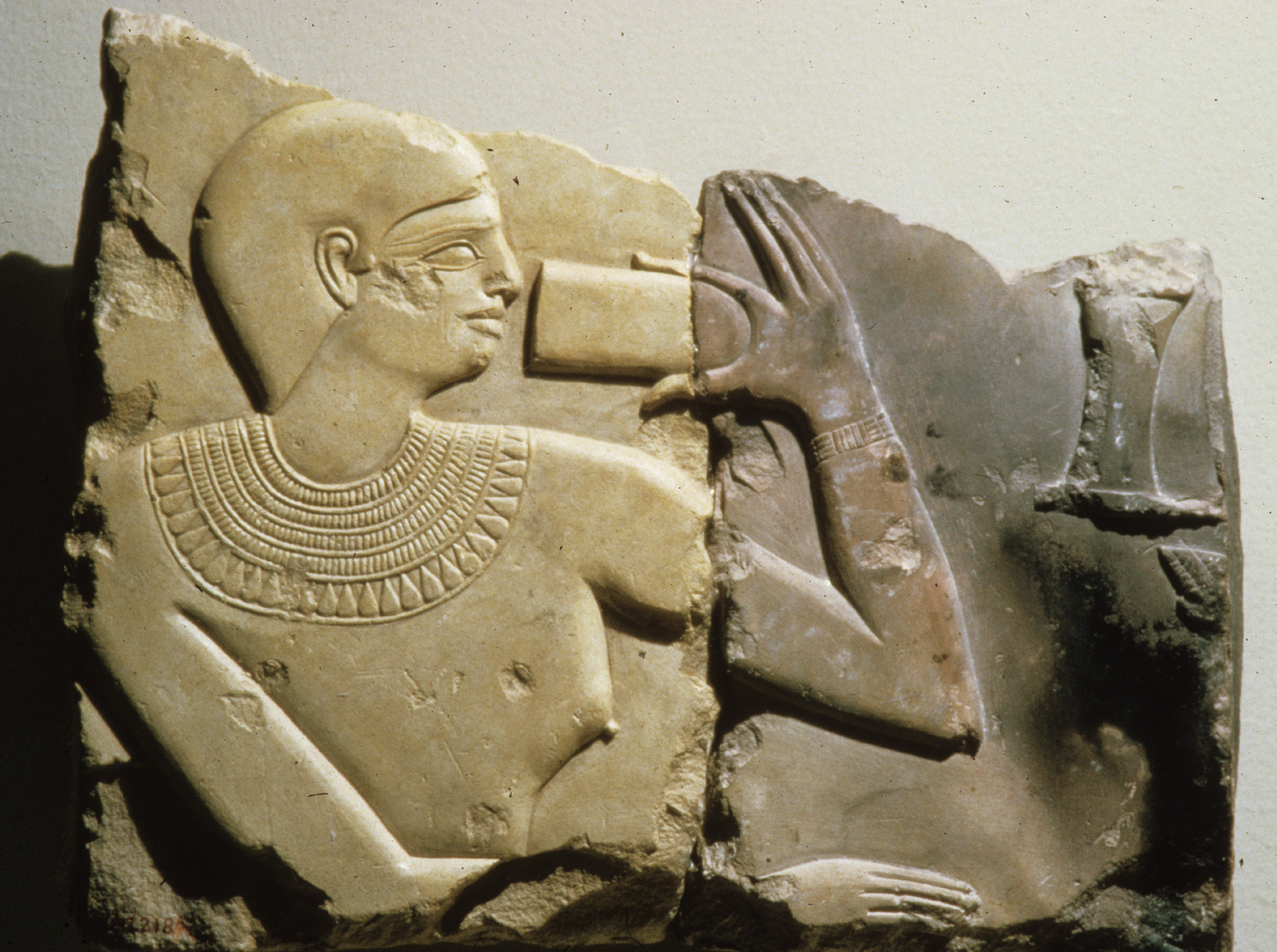
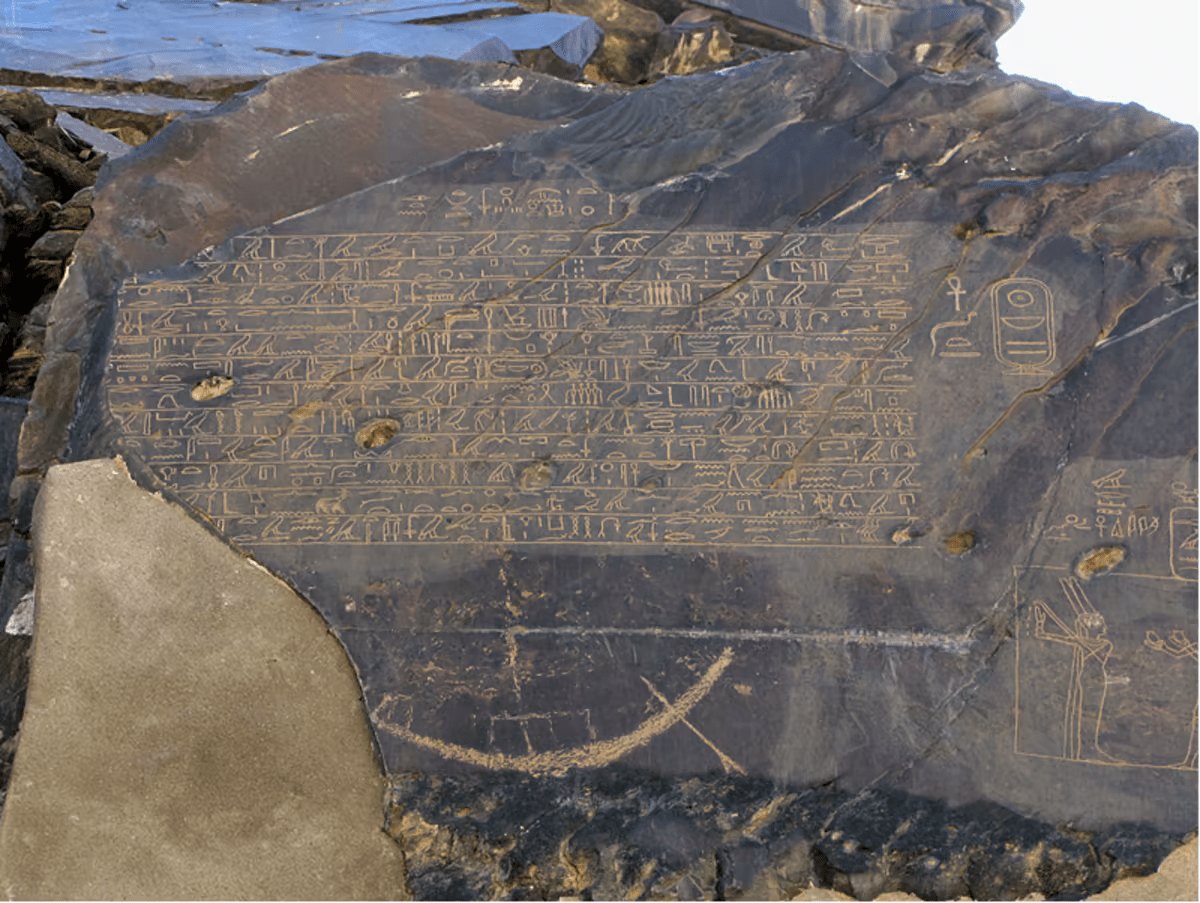
Ancient Egyptian noble Hanna is often recognised as the world’s earliest known explorer. He recorded his adventures to the land of Punt, or what is now Ethiopia and Somalia, on rock inscriptions. Hanna was said to have brought back great riches from his voyage, in the form of precious metals and wood. (Wikimedia Commons, The Maritime History Podcast)

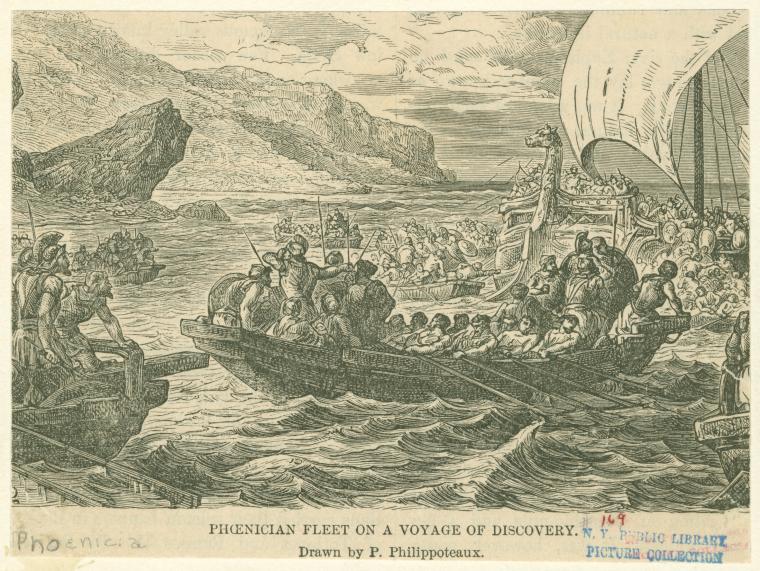
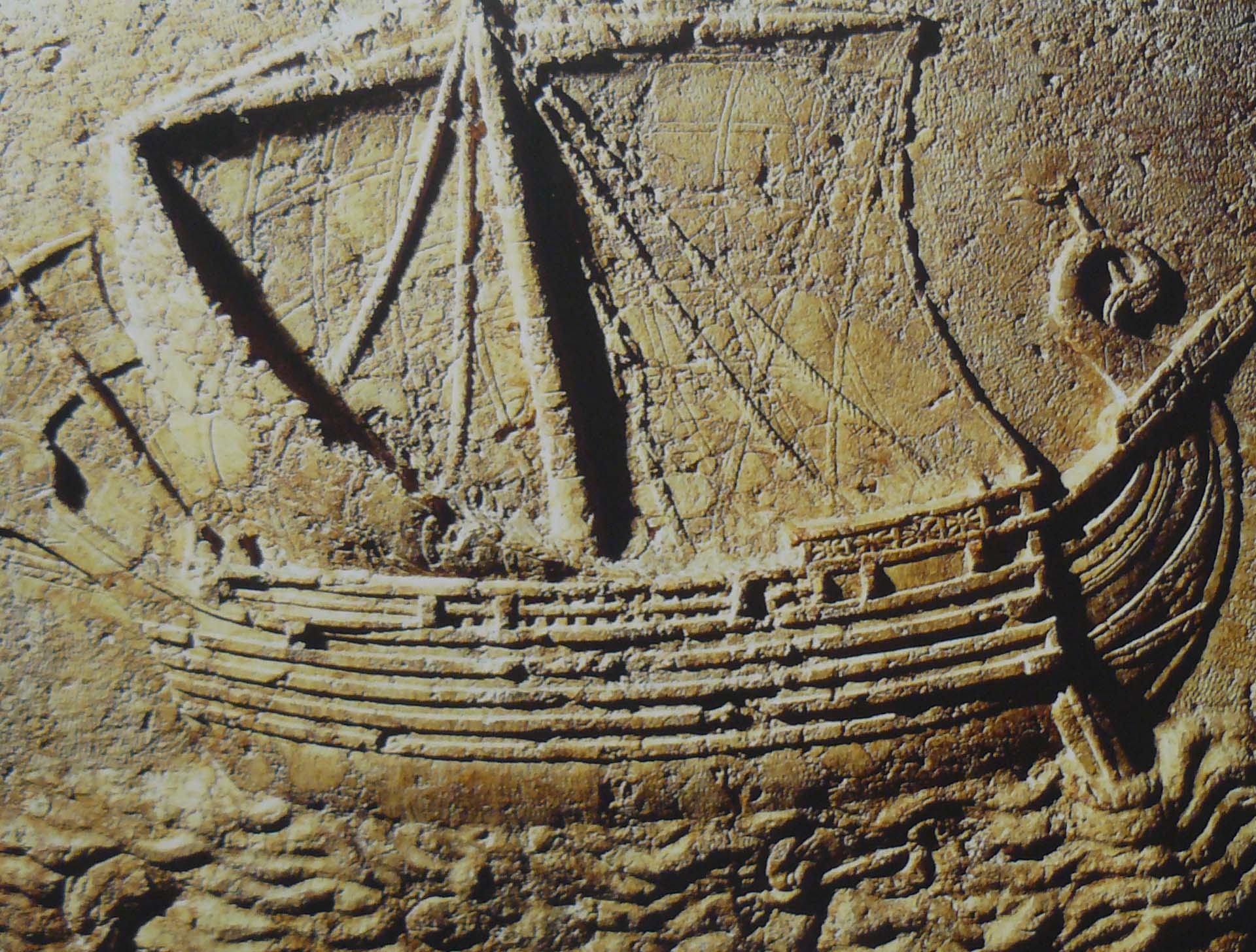
Known widely as the best seafarers in ancient history, the Phoenicians were the first to start trading by sea. Phoenician merchant ships were often decorated with horse heads and had a wide rounded bottom for storing cargo. (New York Public Library, Wikimedia Commons)

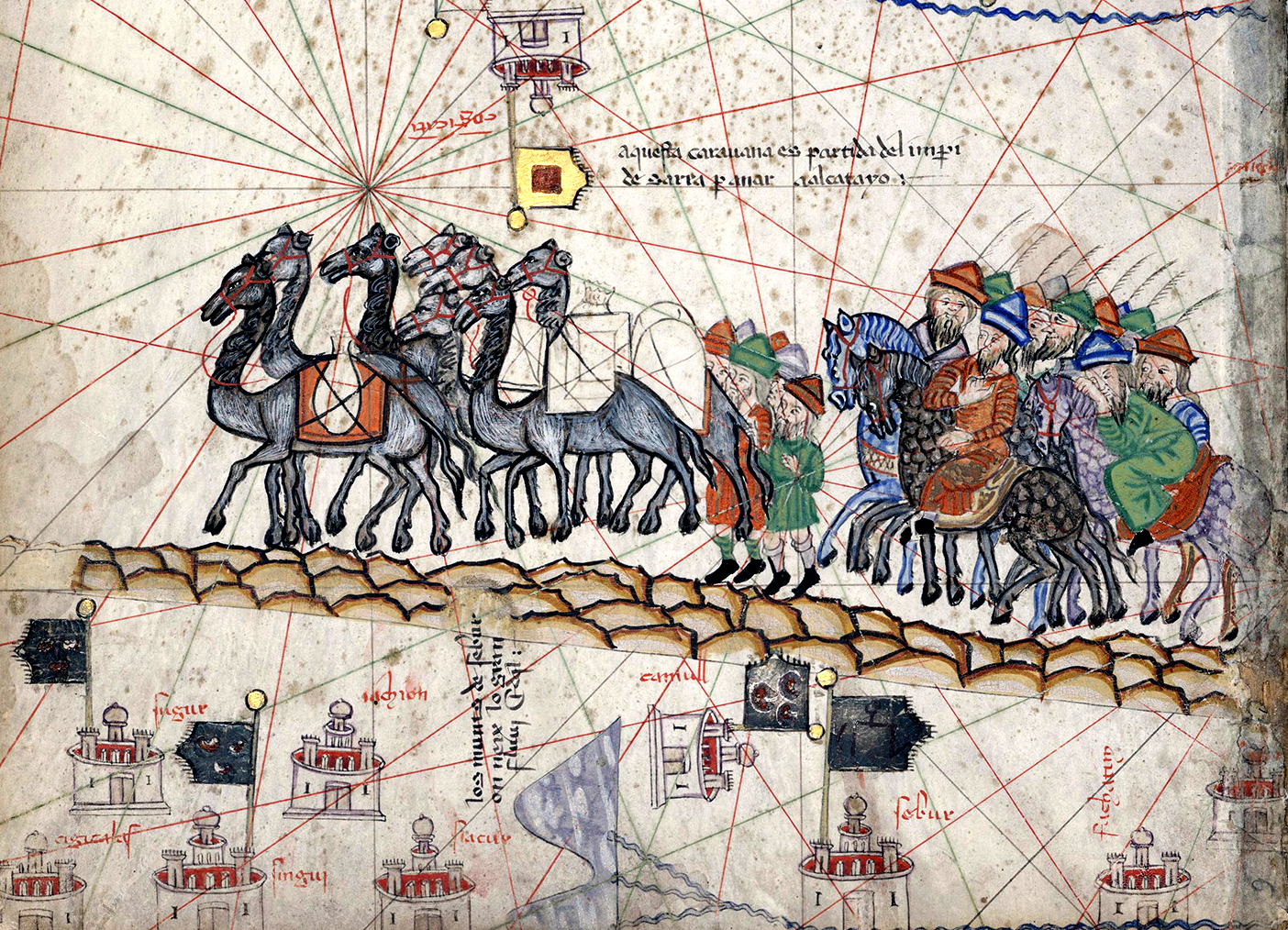
He was not the first European to travel to Asia, but Venetian merchant Marco Polo became one of the most famous travellers in the world because of his book, The Travels of Marco Polo. The book documents his 24-year long journey through Europe to Asia, as well as his life as a diplomatic representative for the Mongol emperor Kublai Kahn. The illustration above depicts Marco Polo’s caravan travelling towards India. (Wikimedia Commons)

For Gold, God and Glory
The 15th century came to be known as the Age of Exploration. During this time, nations began to explore the world in search of new trade routes, wealth and knowledge.
Many of these nations colonised territories overseas, so they could steal their resources. These nations grew richer, but the native peoples that they colonised suffered.
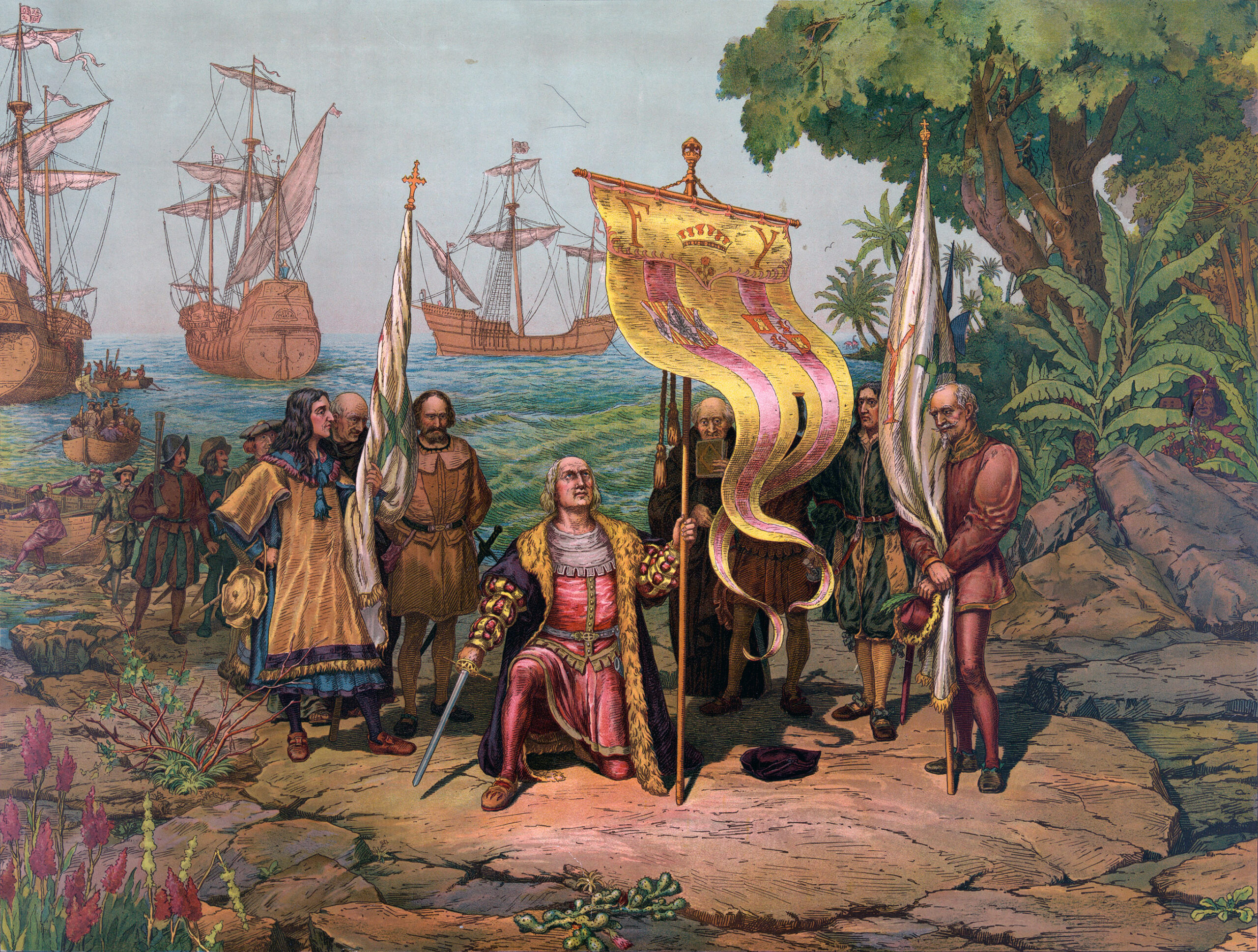
One of the most notable figures of this era is the Italian explorer Christopher Columbus. He is often credited for discovering the Americas. However, such statements fail to consider the fact that Native American tribes were already living in the Americas, centuries before Columbus’ arrival. (Wikimedia Commons)

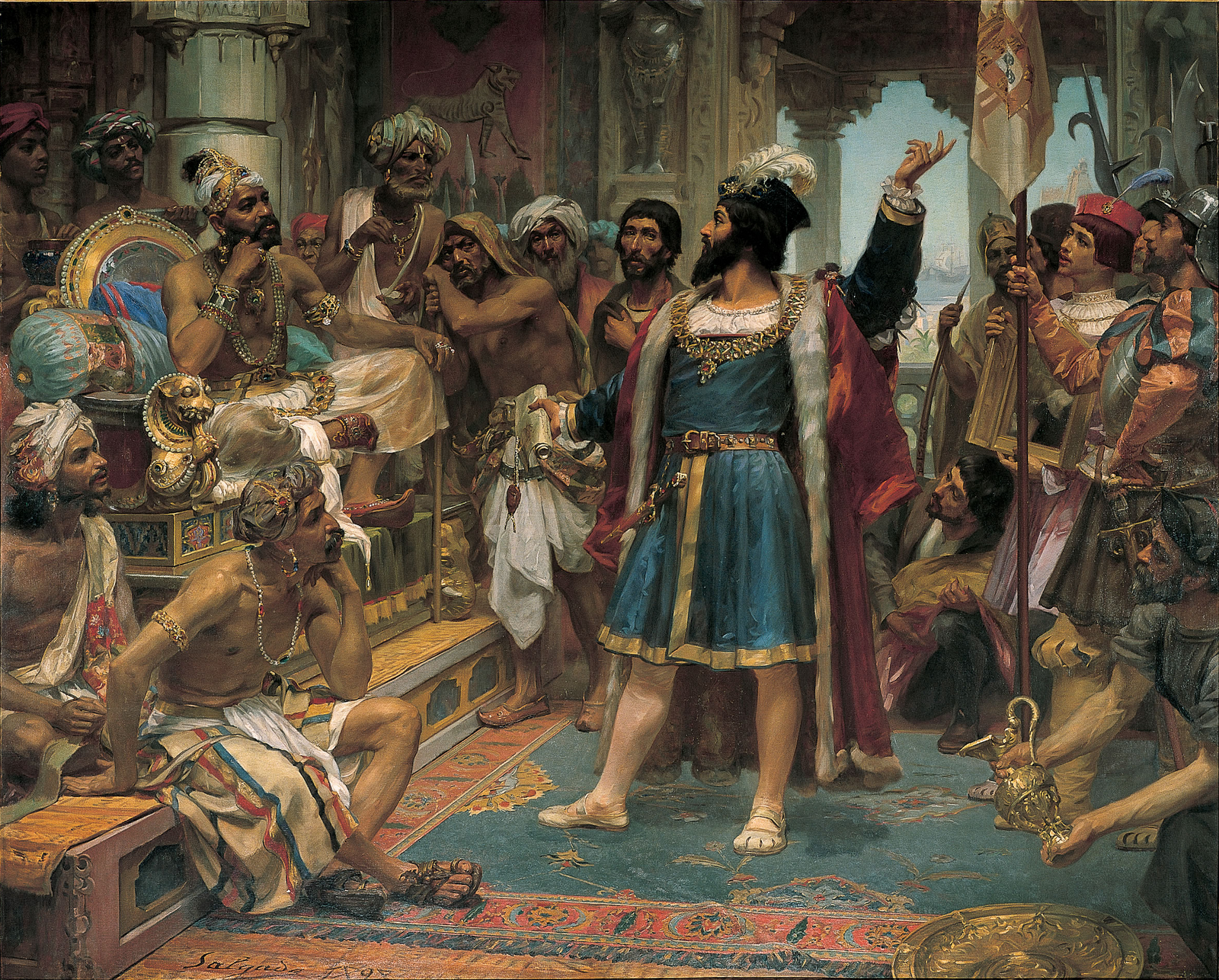
Portuguese explorer Vasco da Gama became the first European to open up a sea route between Europe and India. This allowed Portugal to dominate the spice trade and establish many colonies in Asia. Although da Gama is considered a national hero in his home country, he was extremely brutal towards the Indian locals. (Wikimedia Commons)

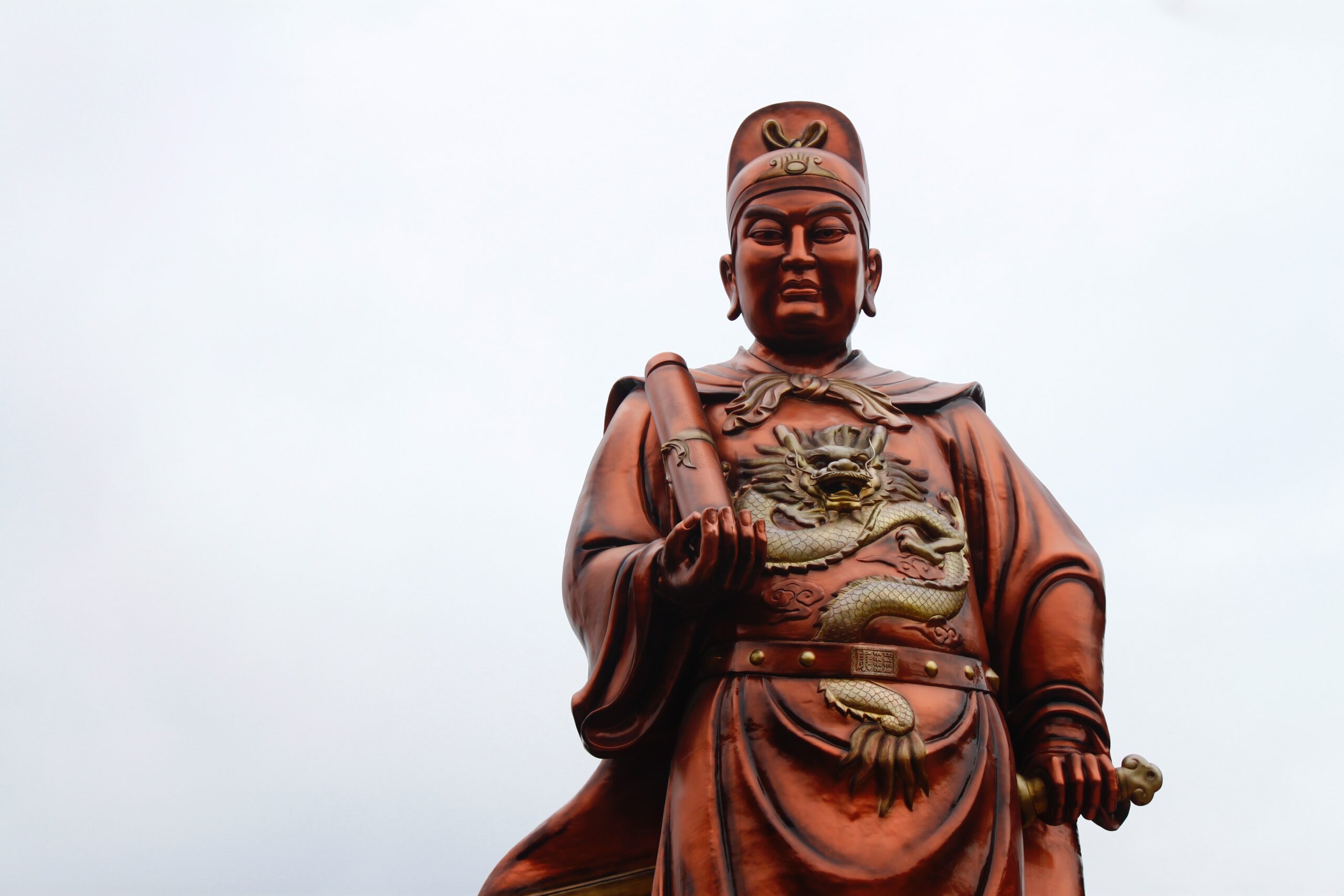
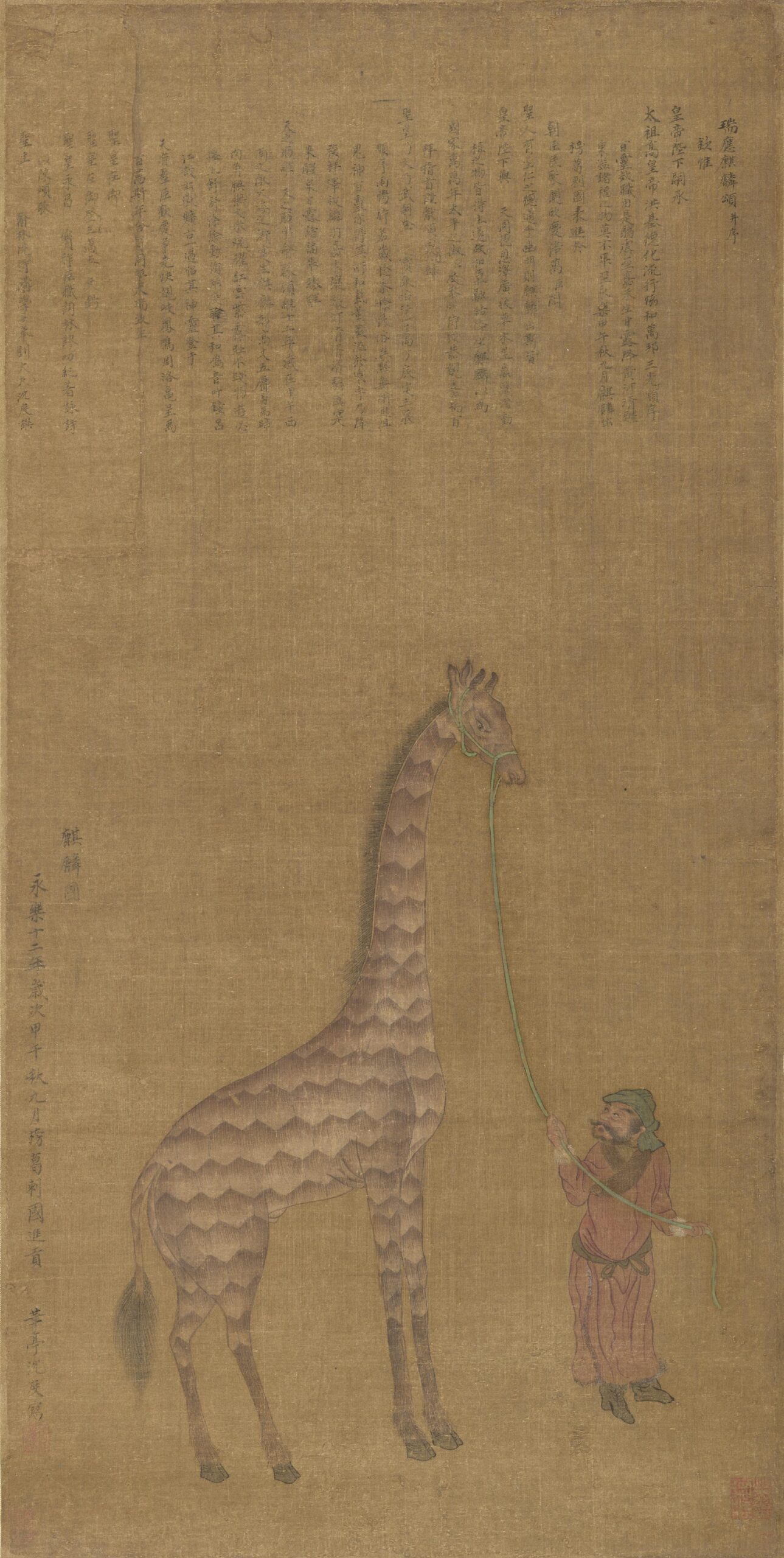
To spread the influence of Ming Dynasty China overseas, Chinese admiral Zheng He led seven expeditions to Southeast Asia, India, Arabia and East Africa from 1405 to 1433 CE. With the emperor’s blessing, Zheng He oversaw a fleet of over 300 ships. These ships brought back various gifts to the Chinese court, including exotic animals like giraffes and camels. (Pexels, Philadelphia Museum of Art)
One other reason for exploration was religion. European missionaries journeyed to other countries to convert locals to the Christian faith. For instance, it was believed that Jesuit missionary St. Francis Xavier baptized around 30,000 converts during his travels to India, Southeast Asia and Japan. (Wikimedia Commons)

All in the Name of Science
From the 17th century onwards, Europeans began to explore their colonies more closely — for science. Collectors and scientists travelled the world to collect unique animal and plant samples that could be used to advance scientific knowledge.
Academic societies were created to study these findings. These institutions also sponsored scientific expeditions to unexplored lands.
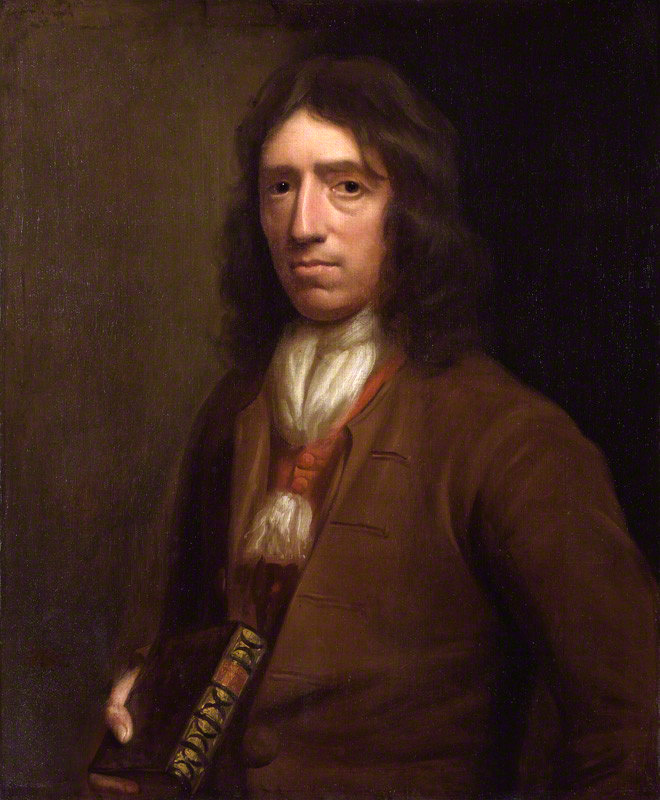
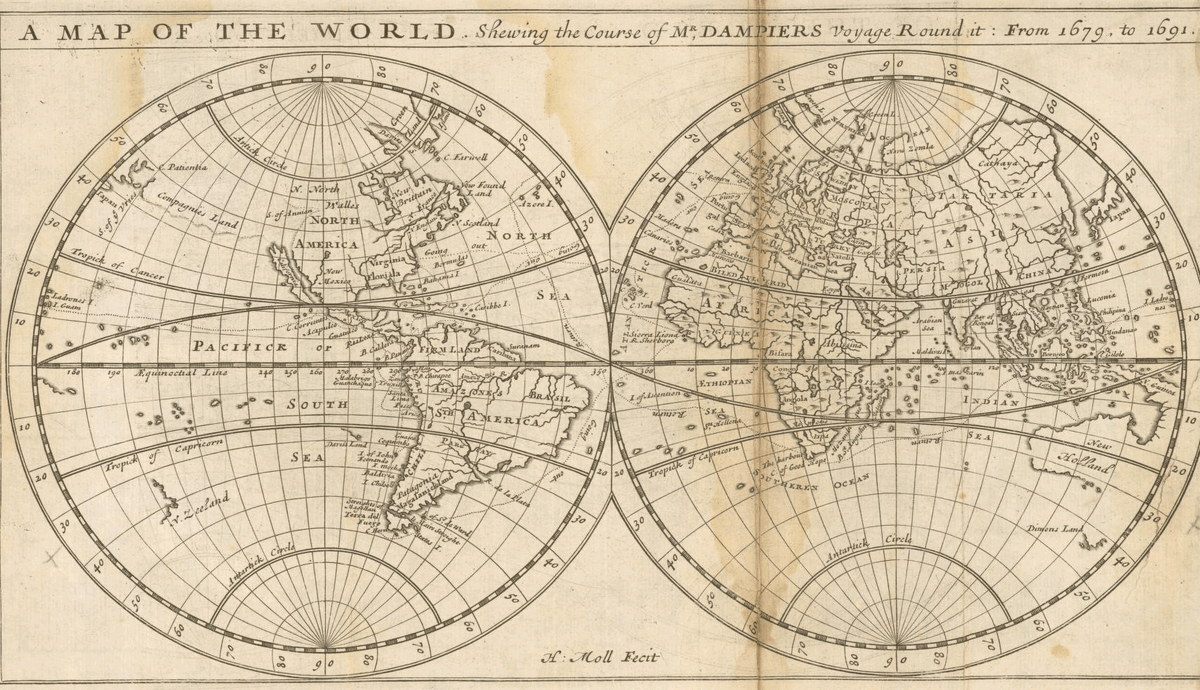
Not all explorers in the 17th century were scholars. One of the best-known naturalists is a pirate named William Dampier. He journeyed around the world three times, and even charted parts of the Australian coastline. The map above shows the route that Dampier took on his first voyage around the world. (Wikimedia Commons 1, 2)


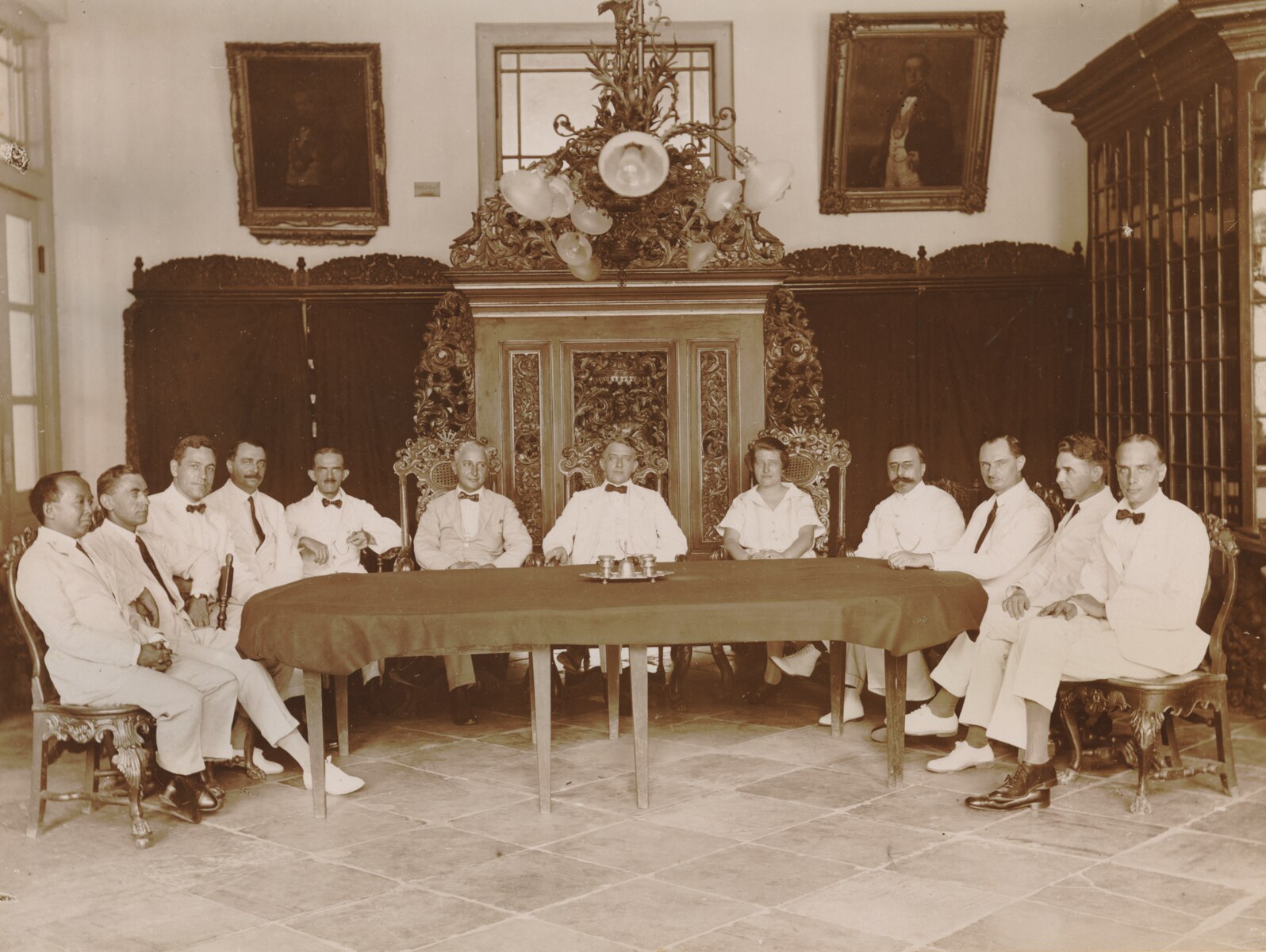
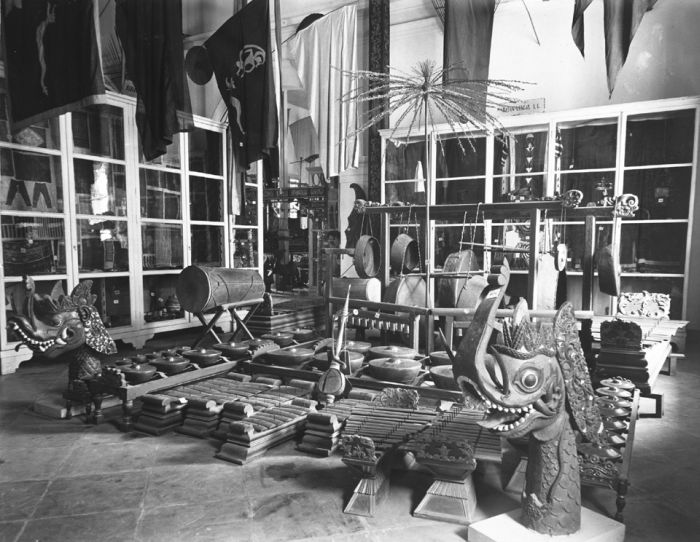


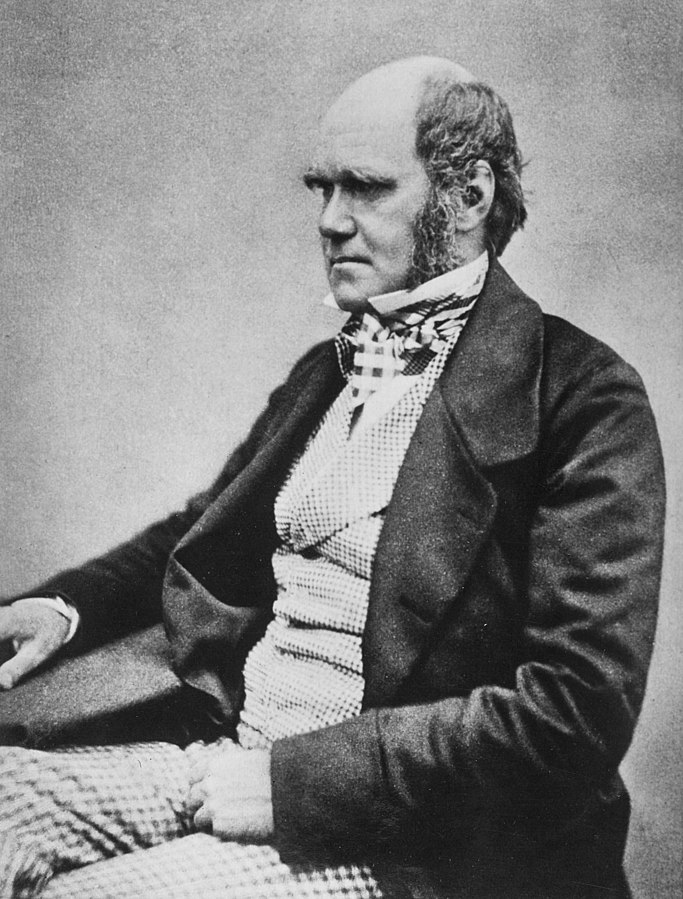
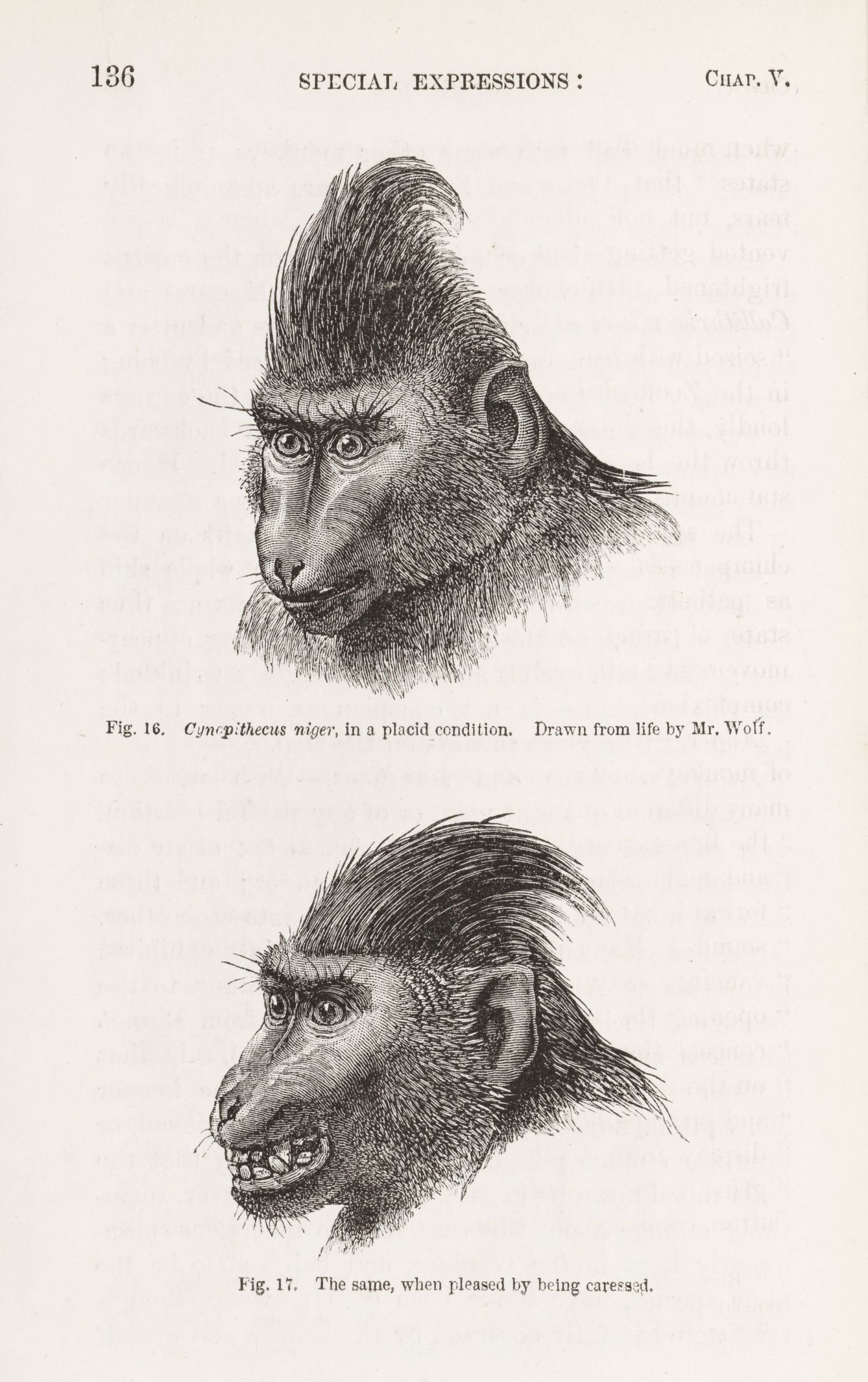
In 1831, English naturalist Charles Darwin went on a five-year voyage to map the coastline of South America. He collected samples and made detailed sketches of the plants, animals, rocks, and fossils that he saw. These eventually helped him to develop his famous Theory of Natural Selection, or more simply, the theory of evolution. (Wikimedia Commons, Wellcome Collection)

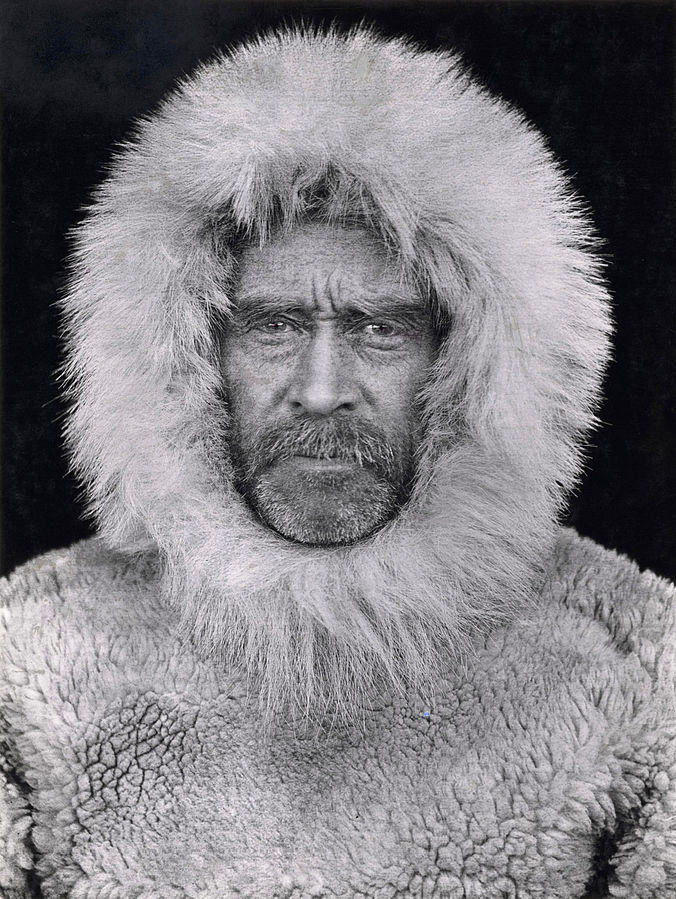
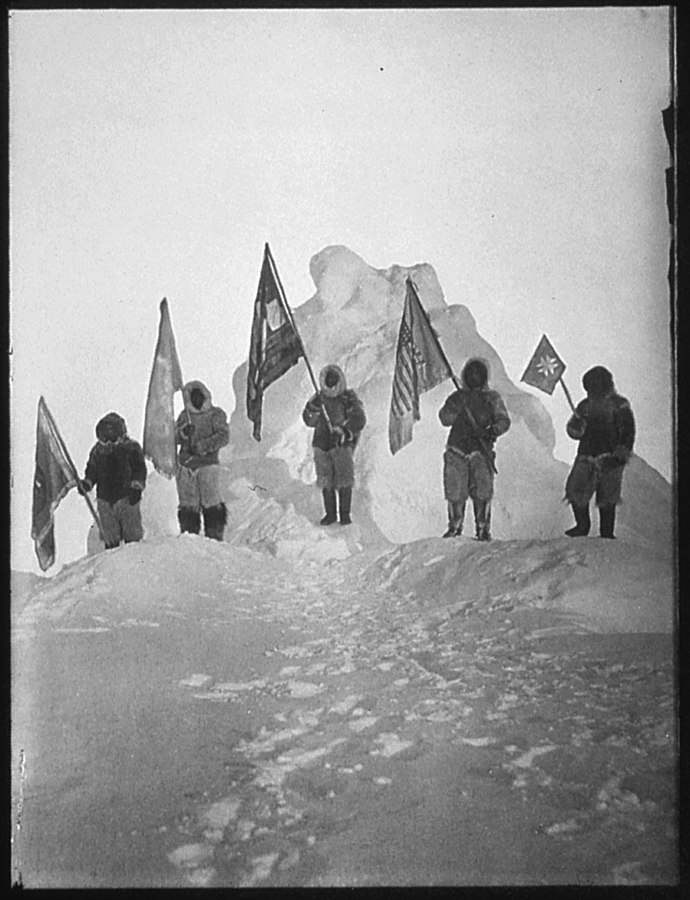
American explorer Robert E. Peary claimed to have led the first expedition that reached the North Pole on 6 April 1909. Before this, he had already made seven expeditions to the Arctic. He even lost eight toes to frostbite during one of these trips! However, Peary’s claim is questioned by historians today due to a lack of concrete evidence. (Wikimedia Commons 1, 2)


The World is Your Oyster
We have now explored most of Earth’s surface. Hence, we are starting to investigate what is still unknown to us, such as the ocean and even outer space.
To explore the deep sea, scientists are using cutting-edge technologies such as submersible vehicles and underwater robots. Government agencies like the National Aeronautics and Space Administration (NASA) are also funding space exploration and research.
With such developments in mind, what will the future of exploration look like?
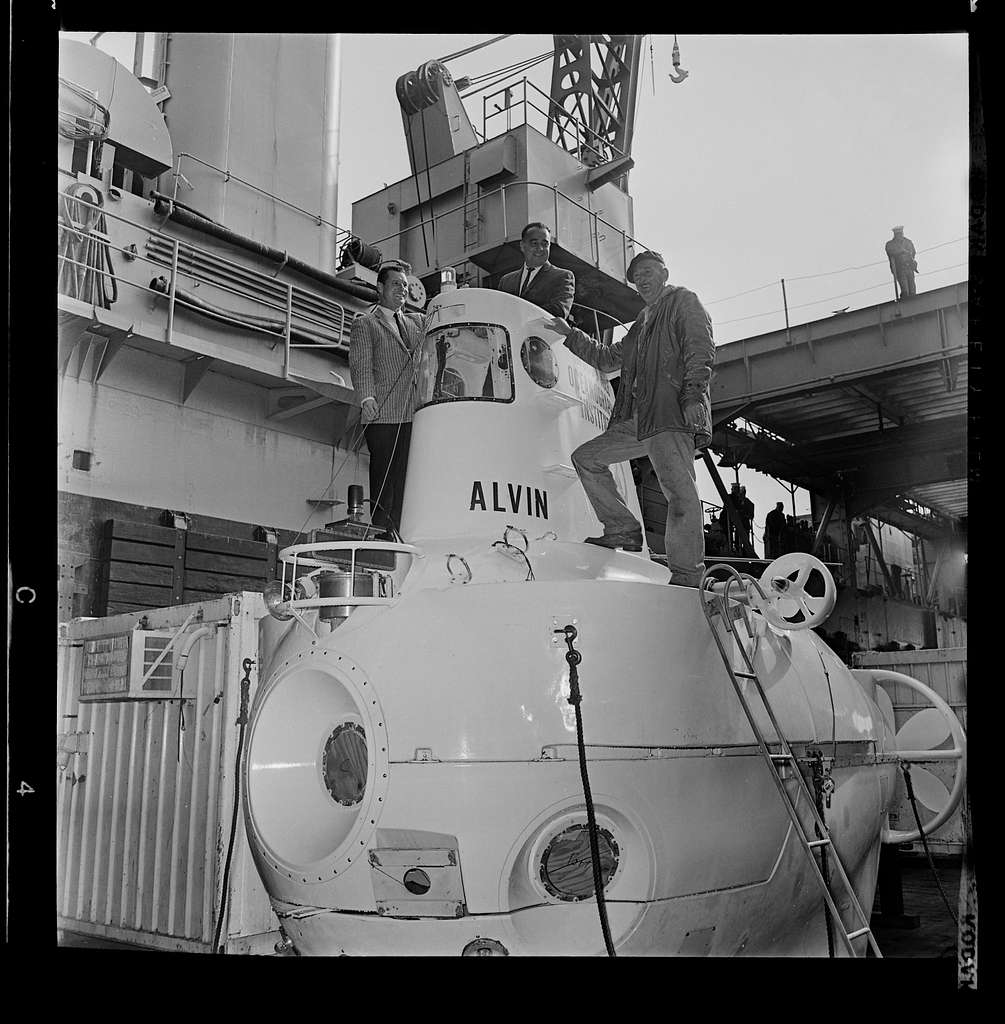
DSV-2, also known as Alvin, is a 3-person research submersible that has led ocean exploration for over fifty years. Since its deployment, it has helped researchers examine the impacts of oil spills on deep-sea coral in the Gulf of Mexico, and even helped to recover a lost hydrogen bomb. (Picryl)
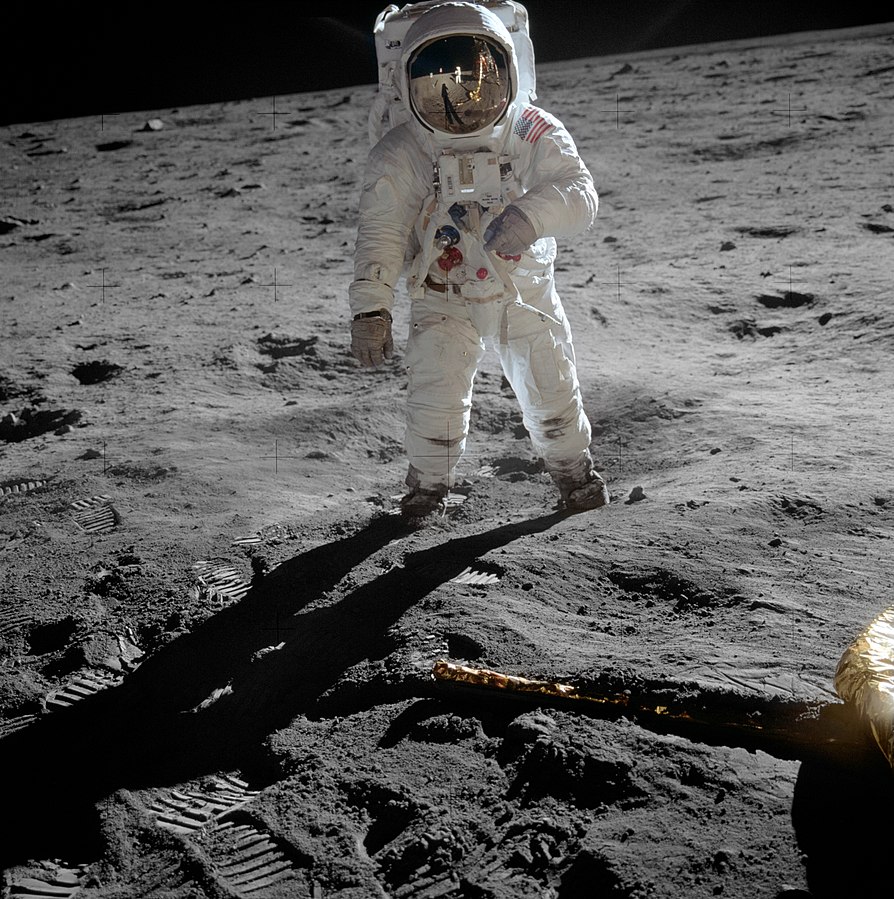
Launched by NASA, Apollo 11 became the first space mission to successfully land humans on the Moon. The astronauts on the mission were made to quarantine for over two weeks after they returned to Earth, in case they were carrying any dangerous Moon microorganisms. (Wikimedia Commons)

Sources: Atlas Obscura, Aljazeera, Asia for Educators, BBC, Britannica (1, 2, 3, 4), The British Museum, CNN, The Collector, History.com (1, 2), History’s Shadow, HowStuffWorks, LivingstoneOnline, Medieval Reporter, Mental Floss, National Geographic (1, 2), National Museum Australia, Noema, Roots, Smithsonian (1, 2, 3), ThoughtCo, Transatlantic Cultures, Woods Hole Oceanographic Institute, World History Encyclopedia (1, 2)