
Flee-Fi-Fo-Fum
Why would you abandon your home? Over the course of history, people have deserted their villages for many reasons.
Natural disasters are one such reason. Through the centuries, villages have been destroyed by floods, earthquakes, volcanic eruptions and even sandstorms. With no way to stop these natural events and their impact on local houses and livelihoods, villagers could only leave.
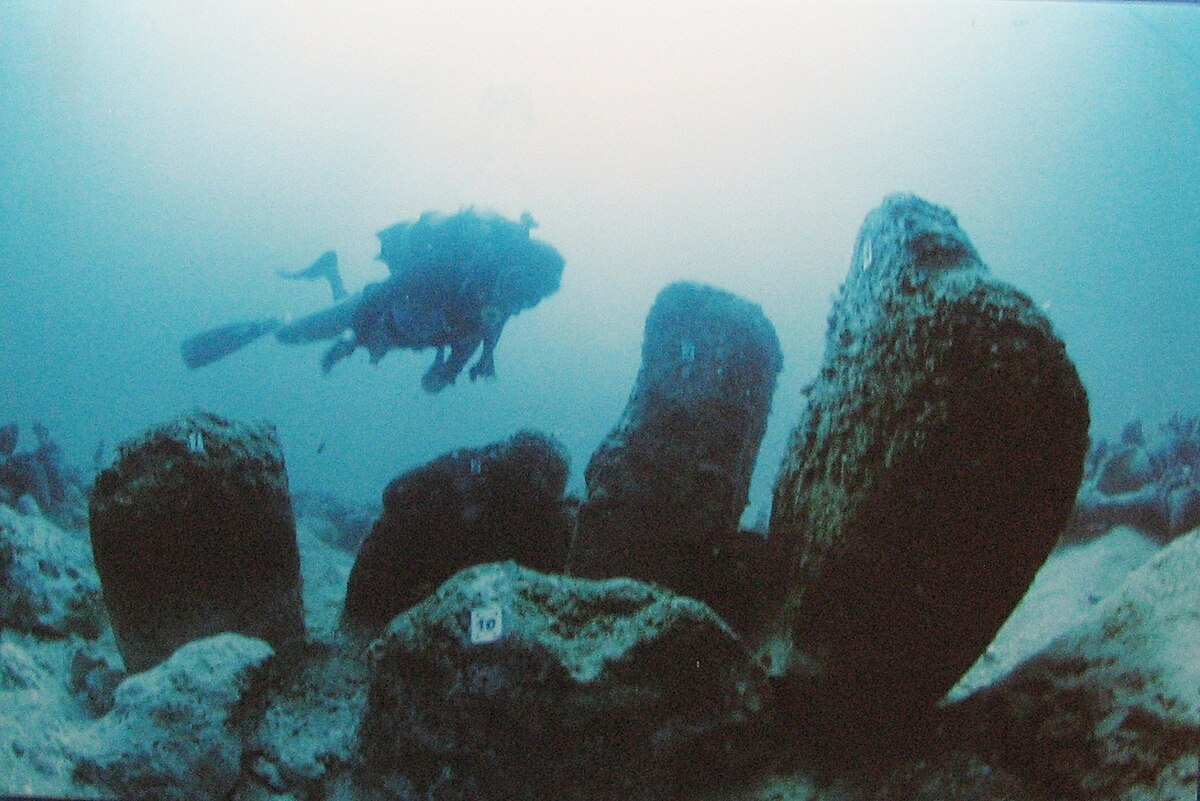
Some villages have been abandoned for so long that they are now completely underwater. Atlit Yam is one such village. Found off the Carmel Coast in modern-day Israel, it was deserted by its villagers after a volcanic eruption at the nearby Mount Etna caused a tsunami in 6300 BCE. After it was abandoned, the village was submerged by rising sea levels. (Wikimedia Commons)

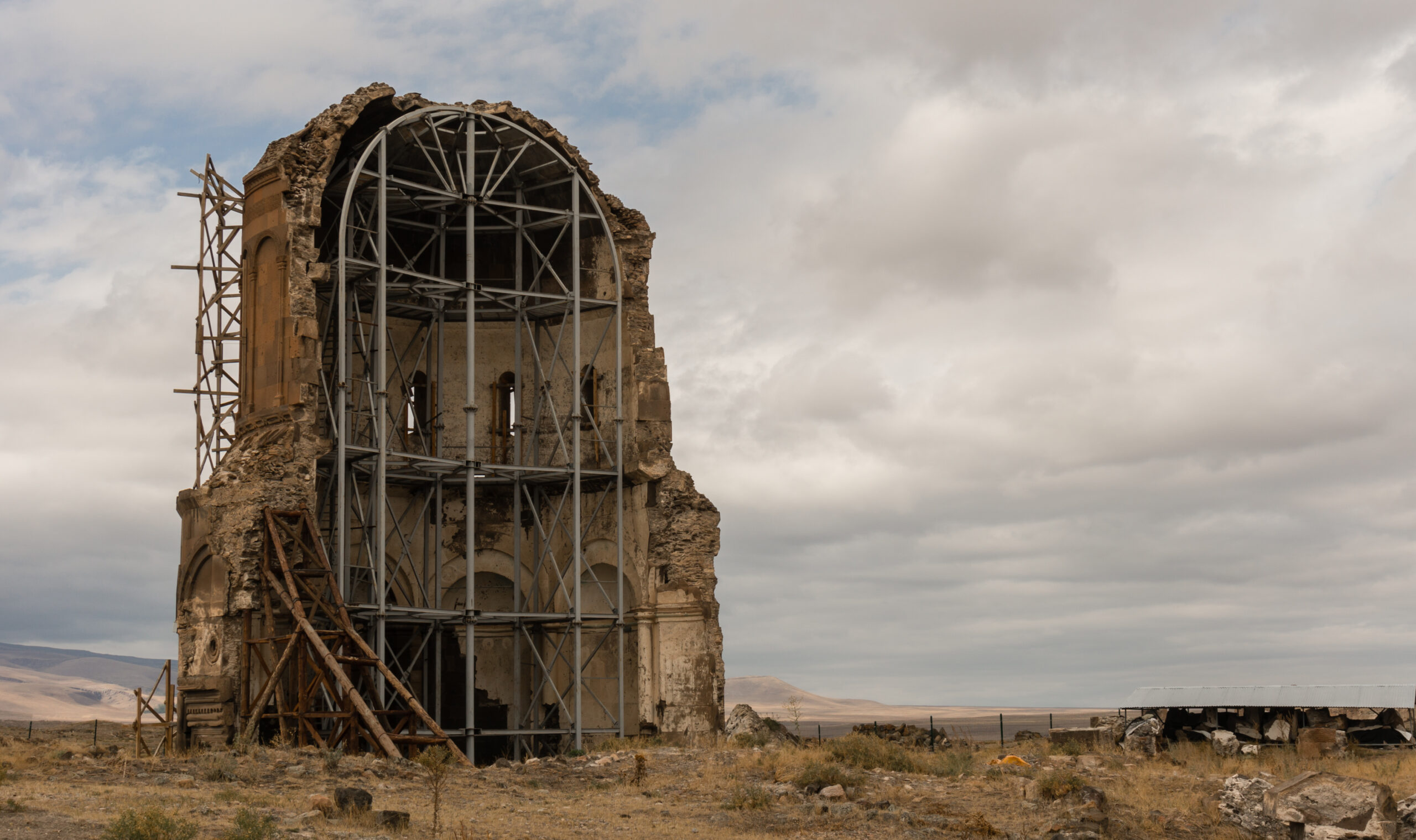
With the wealth that came from being part of the Silk Road, the rulers of Ani, the capital of medieval Armenia, built so many churches that the city was later deemed the “City of 1,001 Churches”. But these structures came crashing down when an earthquake struck the city in 1319. The photo above shows the ruins of Ani’s Church of the Redeemer, or Surp Amenap’rkitch. (Flickr)
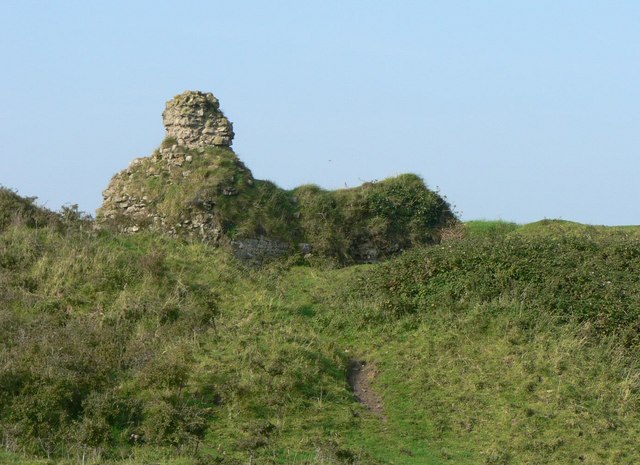
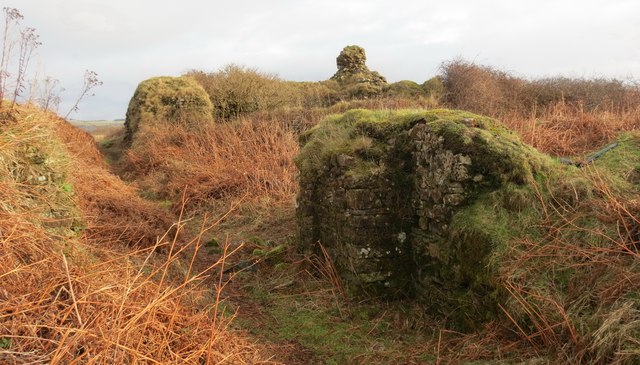
The village of Kenfig in Wales, UK, was gradually buried by sandstorms between the 14th and 15th centuries. As strong winds carried sand over from the coast of the Bristol Channel, it became impossible for its villagers to stay. Most of them moved to a nearby village called Pyle. The images show the remains of Kenfig Castle. (Wikimedia Commons 1, 2)


Of Nature and Men
As the world became more interconnected, human interaction increased. This meant more trade and opportunities, but it also meant that sicknesses spread much faster. People brought their own diseases to the villages they visited. Without proper medical cures, communities fell back on the one strategy that would protect them from falling ill: abandon their homes and never return.
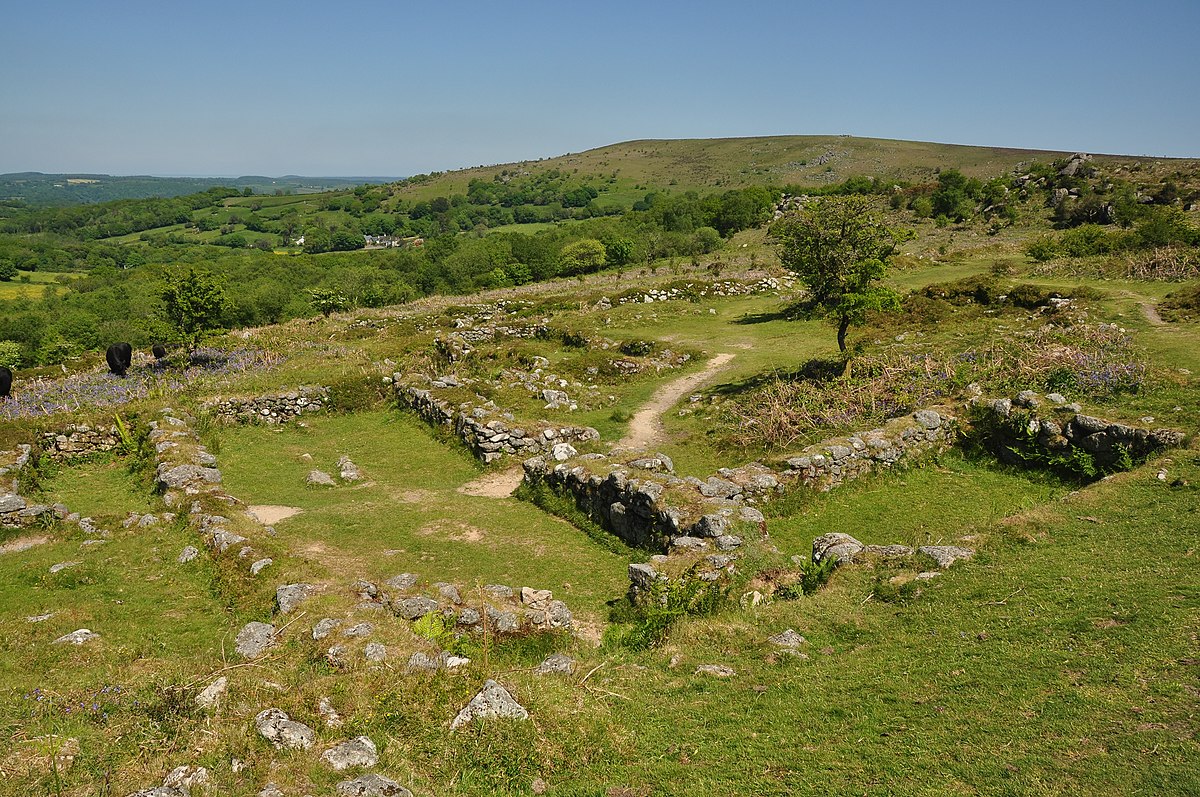
The infamous Black Death, or the Bubonic Plague, killed about 60 per cent of Europe in the 14th century. It also caused large-scale migrations. For instance, the people of the Hound Tor village in Devon, UK, fled to other villages for better living conditions. This photo shows the foundations of Hound Tor, its layout left as it was during the medieval times. (Wikimedia Commons)
.jpg)
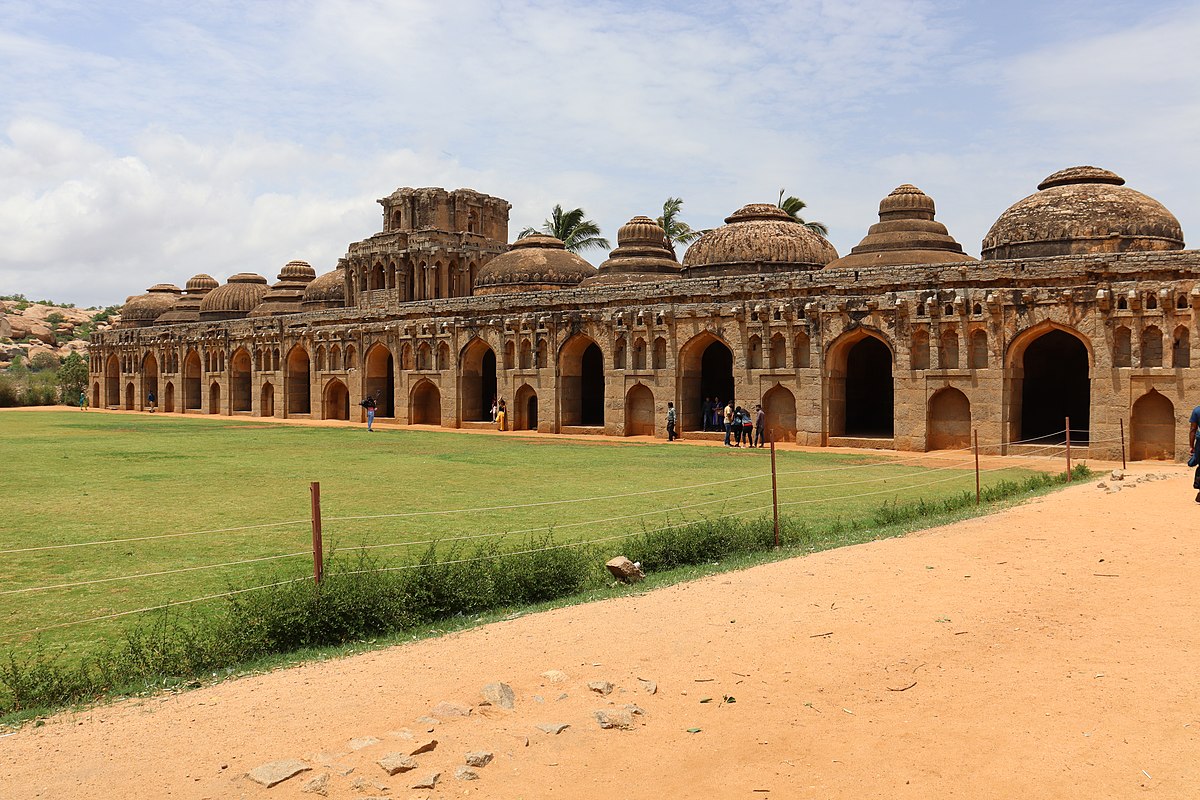
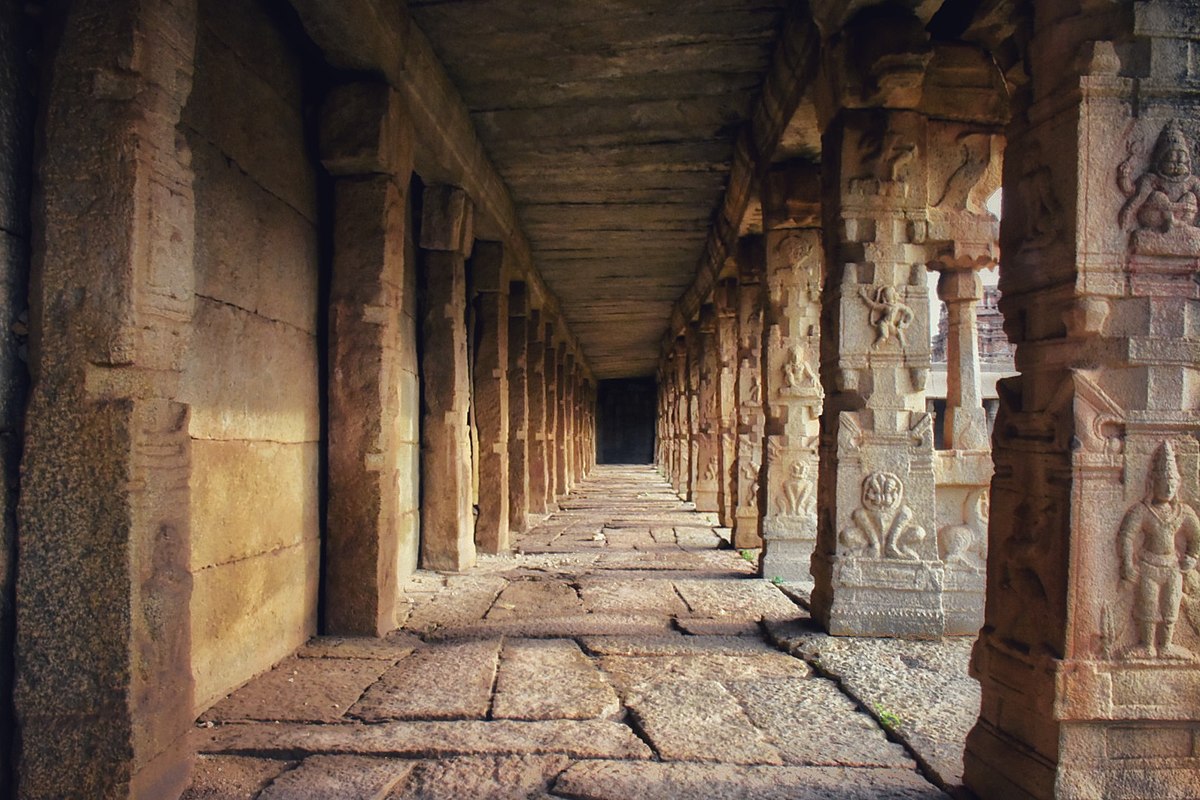
War often brings death and destruction. This was the case for Hampi, the capital of the Vijayanagara Empire in late medieval India. In 1565, Deccan Sultans attacked the Empire. Hampi’s people ran for their lives as their homes were destroyed, and the halls of the once-vibrant city stood empty for centuries. Today, Hampi is a UNESCO World Heritage Site. (Wikimedia Commons 1, 2)


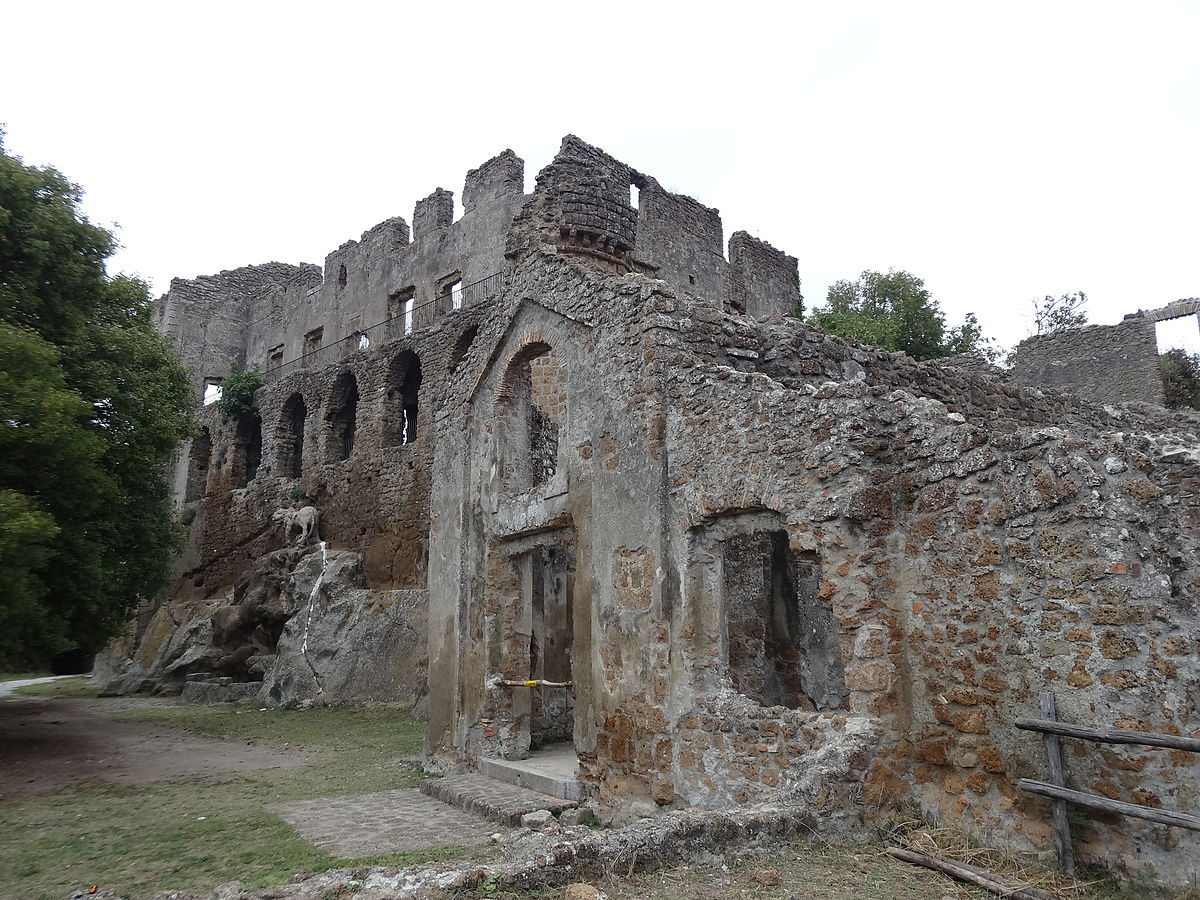
This Italian village, called Monterano, was deserted in 1799, when French soldiers plundered the town. The villagers lost most of their possessions and had to start their lives anew elsewhere. (Wikimedia Commons)

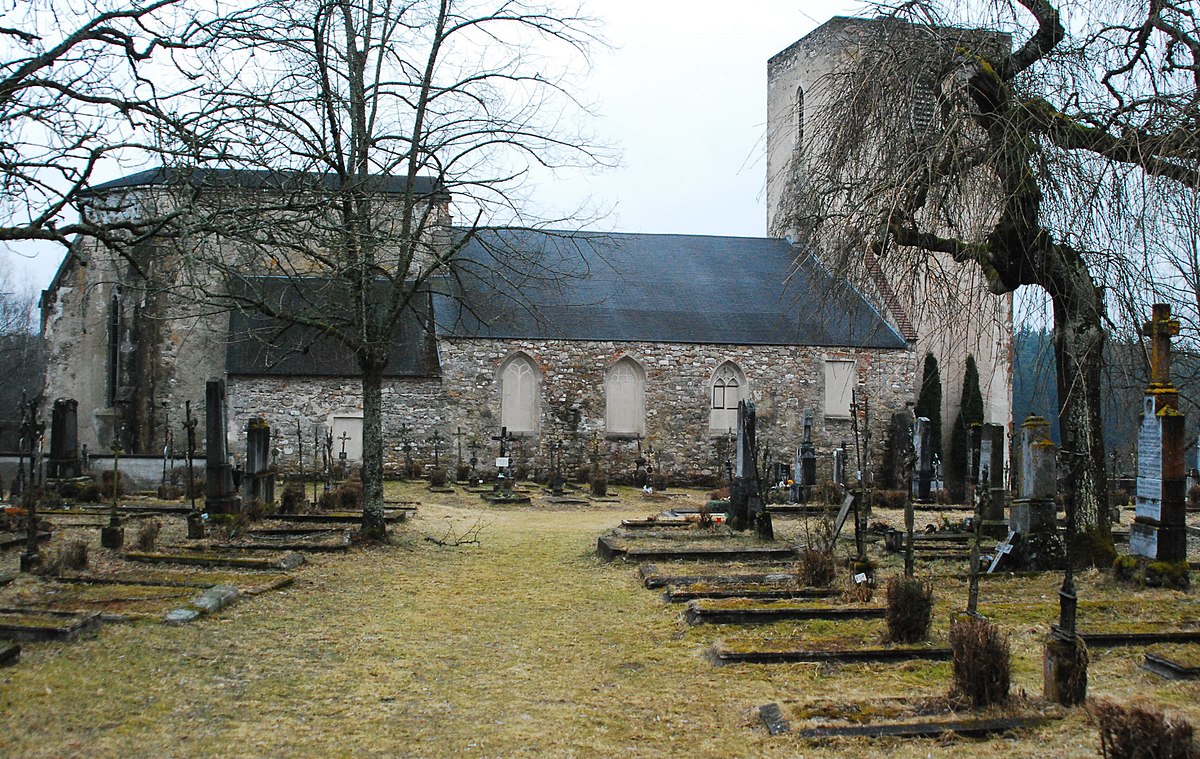
Fast forward to more modern times: the Döllersheim village in Austria was deserted in 1939 during World War II, after the Germans took over Austria. Rumour has it that this was the village where Adolf Hitler’s father was born. Its 2000 residents were forcibly relocated when the Nazis decided to use the land as a military training area. The photo above shows its church and cemetery. (Wikimedia Commons)

There’s Nothing Left
The Industrial Revolution transformed the nature of jobs. Factories became common in Europe, and mining towns popped up around the world. Families flocked to these towns to search for valuable minerals to sell.
But as quickly as these mining towns popped up, they were shut down. Most of them were abandoned just a few decades later, emptied of the precious materials they once held.
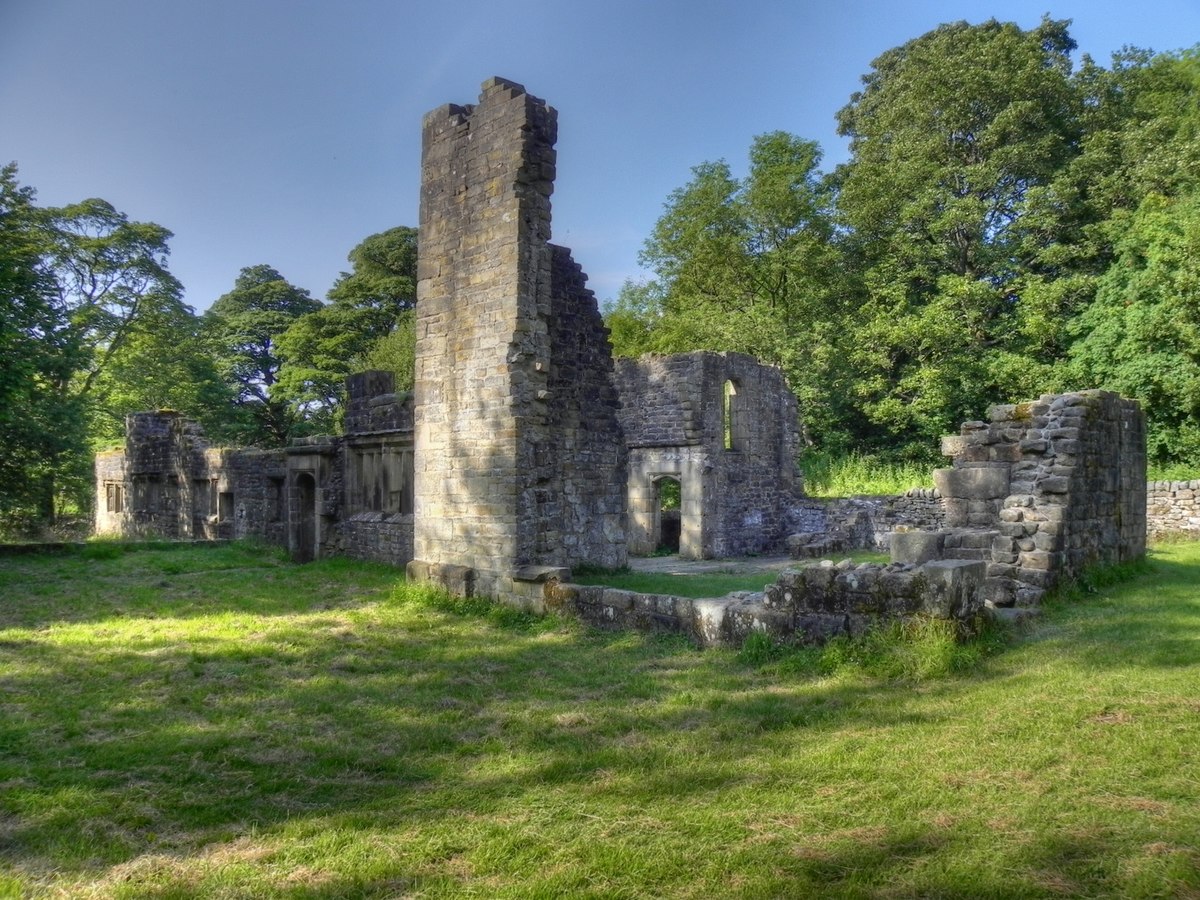
Built in the 16th century, the Wycoller Hall now sits in ruins in Lancashire, UK. Its village was home to families who hand-wove textiles to earn money. When the power loom was invented during the Industrial Revolution, the villagers lost their jobs, and had to leave to find work elsewhere. By 1896, the village was deserted. (Wikimedia Commons)

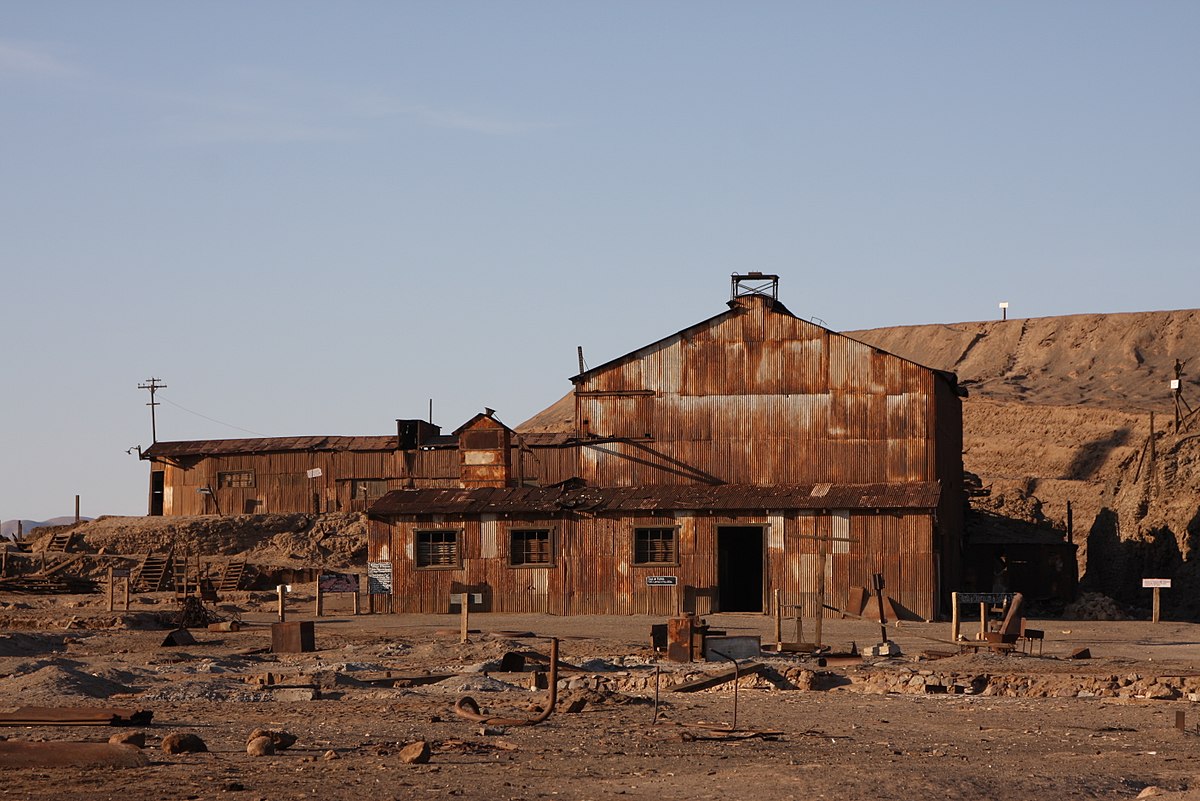
In the Atacama desert of northern Chile lies the once bustling mining town of Humberstone. It was one of the world’s major exporters of saltpetre, or potassium nitrate, a mineral used for fertiliser and gunpowder. The town flourished from the 1880s to 1930. But when saltpetre lost its value in the middle of the 20th century, the people left. (Wikimedia Commons)

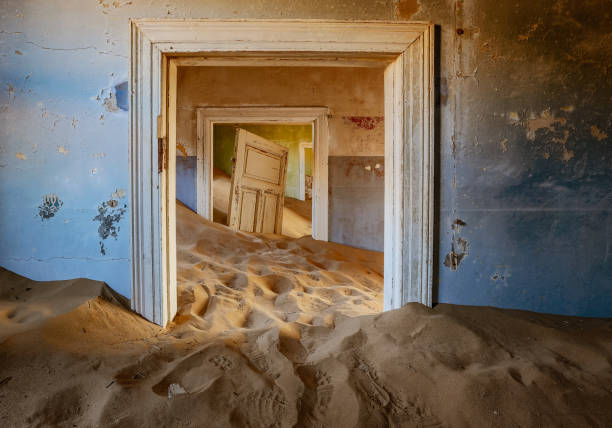
With abandoned buildings that look like they belong in a Wes Anderson film, the diamond mining town of Kolmanskop has stood still in time since 1956. By the 1930s, the mines were completely empty. When another diamond mine was discovered just south of Kolmanskop, the townspeople quickly left. Sand dunes soon overtook the short-lived town. (iStock)
The Grass is Always Greener Elsewhere
In today’s modern world, cities promise opportunity and excitement. Hence, more individuals are moving to large cities to make money or pursue their dreams. They leave behind their small towns, which house fewer people with every passing year.
But although their residents are gone, these abandoned villages still welcome tourists from all corners of the world. So, we can expect that they will soon find life again.
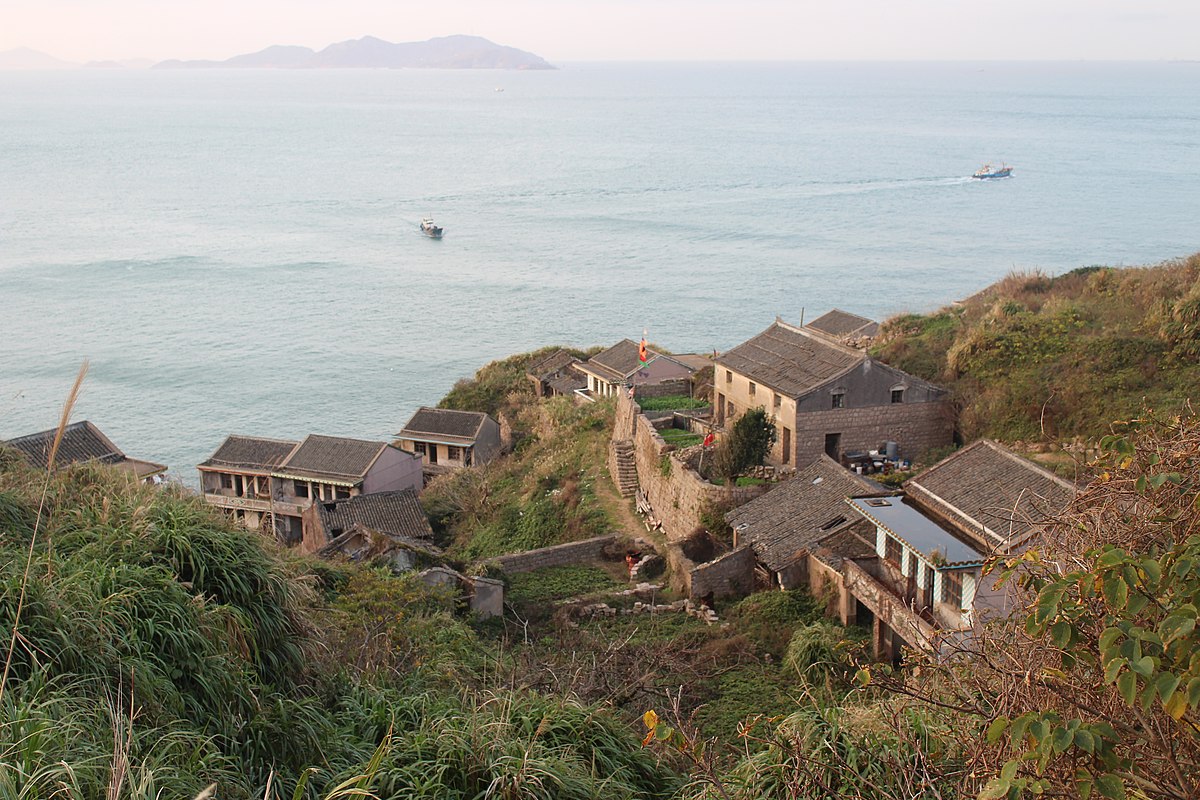
In the 1990s, the fishing village Houtouwan was the home to 2,000 residents. Today, most of them have migrated to mainland China to work. However, this tiny fishing village remains of interest to explorers around the world. Tourists provide income for the handful of people who still live there. (Wikimedia Commons)


When Japanese artist Tsukimi Ayano returned to her hometown village of Nagoro on the Shikoku Island of Japan, she saw that only 35 people still lived there. Everyone else had either passed away or moved to larger cities in Japan. To feel less lonely, she began making life-like dolls and placed them around the village. Her work has attracted tourists all around the world. (Flickr)
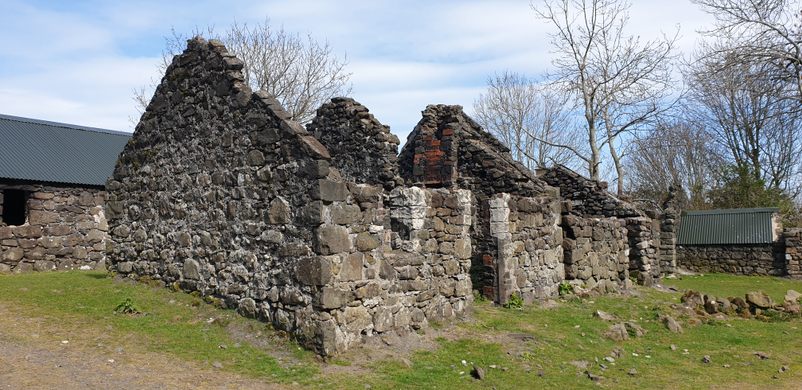
The village of Galboly is a small village tucked away in the hills of Northern Ireland. However, over the 20th century, family after family left the town. The last resident to live there was a monk who passed away in 2013. Today, however, it has found new life as a popular filming location. It has even been used for several scenes in the show Game of Thrones. (Atlas Obscura)
Sources: Harvard University, FOX News, Heritage Daily, Atlas Obscura (1, 2, 3), National Geographic (1, 2, 3, 4), Wales Online, GGAT, Kenfigorg, Visit Wales, Britannica, History Today, University of Oxford, English Heritage, CNBC, The Washington Post, CNN Travel, Far Out Magazine, No Camera Bag, Historic UK, Architectural Digest, BBC, The Atlantic, CNA