

As our world becomes more and more globalised, we become more and more alike. We like the same cuisines, watch the same shows… and even speak the same language. Thanks to the growing global influence of the US, most of the world speaks English — or American Sign Language (ASL), among the hearing-impaired community. As such languages gain more speakers across the world, however, smaller, local languages lose speakers and even begin to die out. One such endangered language is Hawaiian Sign Language (HSL), which only has about 10 fluent speakers left today. Losing this language could mean the loss of an important and unique part of Hawaiian identity, as HSL teacher and advocate Linda Yuen Lambrecht understands well.
Born Deaf in Hawaii in 1944, Lambrecht learned HSL from her older Deaf brothers, a language that Hawaii’s Deaf community is extremely proud of. However, her school condemned the use of HSL and made students use ASL, which they believed was superior. “We would get a lot of insults, a lot of negativity,” Lambrecht said in an interview with The Guardian. “People said, ‘They’re from America, they’re white people, they know better.’” Lambrecht later became an ASL lecturer, but she never forgot her roots. As a personal project, she actively searched for elderly speakers in hospitals and nursing homes who spoke HSL and recorded them signing the language, convinced that it was worth preserving. However, she lacked the financial resources and linguistic background to do much with her recordings.
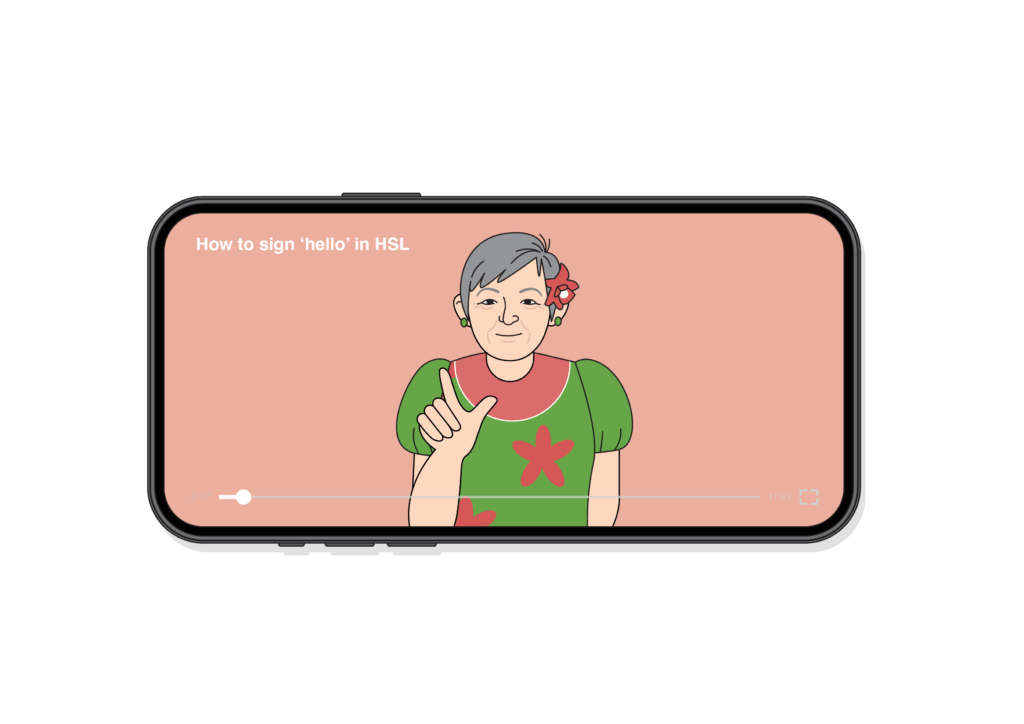
It was not until later that Lambrecht began to see the fruits of her labour. In 2007, she met Barbara Earth, a student in her ASL class who empathised with her cause. With the help of Professor William O’Grady, the chair of the Linguistics Department at the University of Hawaii, Earth and Lambrecht pulled together a linguistic study that proved the importance of HSL as a language. To the team’s delight, they found that HSL was completely different from ASL and other more common sign languages, from its vocabulary to the way it used facial expressions, like eyebrow raises, for grammar. This gave the linguist community the confidence to make HSL an official language in 2013.
Lambrecht has since taught HSL classes to over 100 students. However, with each passing generation and the ever-growing influence of American culture, HSL speakers are dwindling, creating an urgent need to preserve this dying language. Lambrecht recognises that languages like HSL are vital parts of history, heritage and wisdom. She is determined to keep HSL alive. “I love having conversations in HSL with those that I can. I get wonderful, warm memories.”
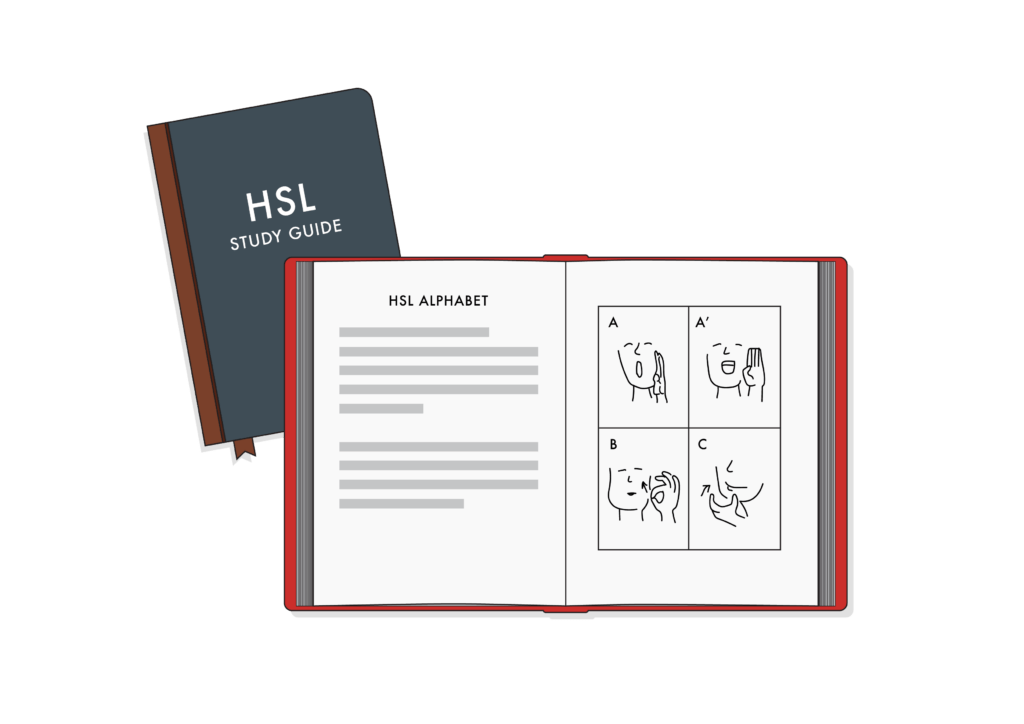
Lambrecht’s fighting spirit to reverse the effects of globalisation is truly admirable. Thanks to her efforts, there is hope for HSL today: a HSL study guide and bilingual dictionary has already been published, and the University of Hawaii even offers a course on preserving HSL. As for Lambrecht, she will continue to share her knowledge and love of the language with new generations, one student at a time.
Sources: CNN (1, 2), Guardian, Signs of Self, Views of the World